NYSE Faces Volatility as Markets React to Economic Signals!
Apr 19, 2026
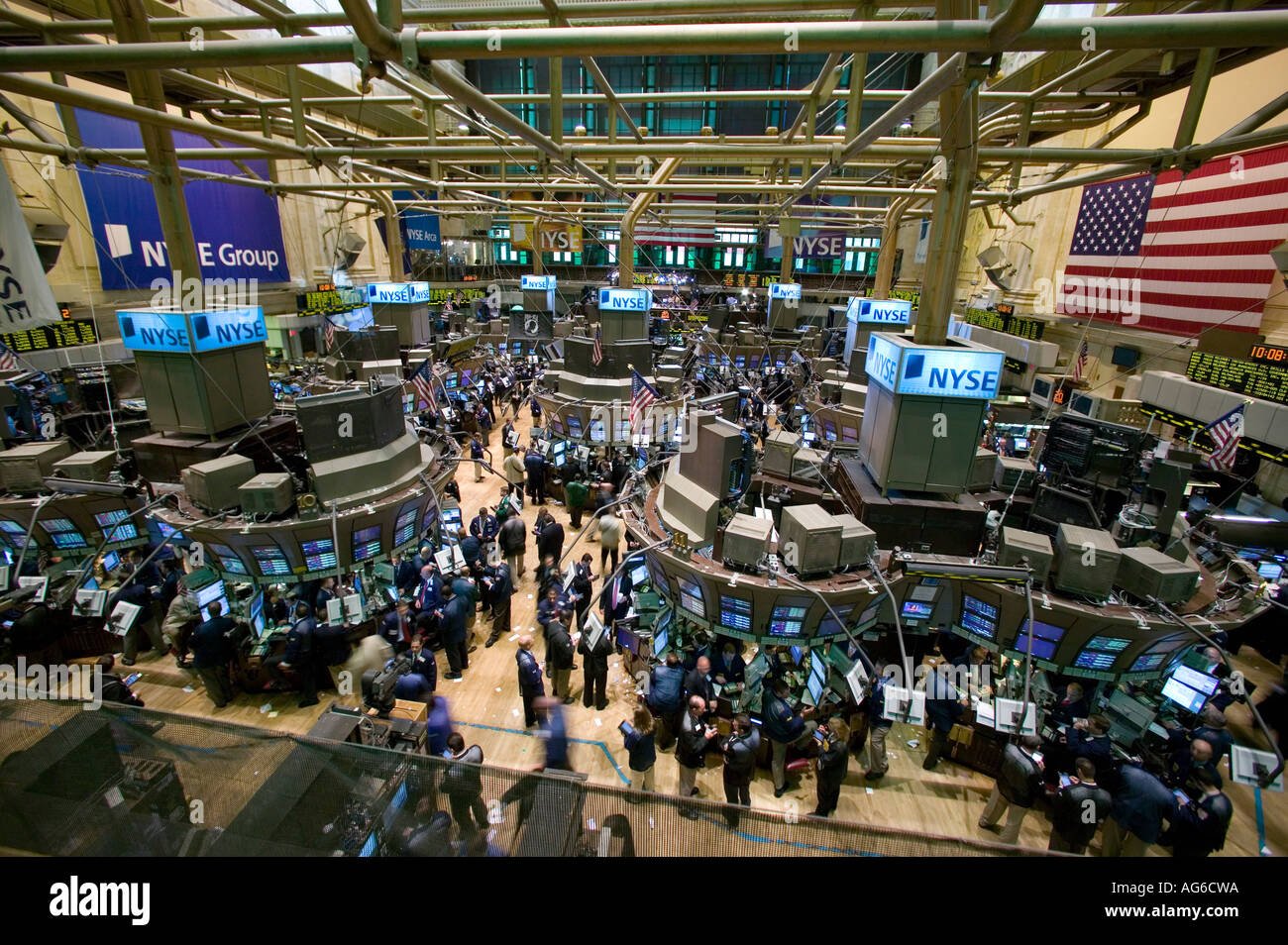
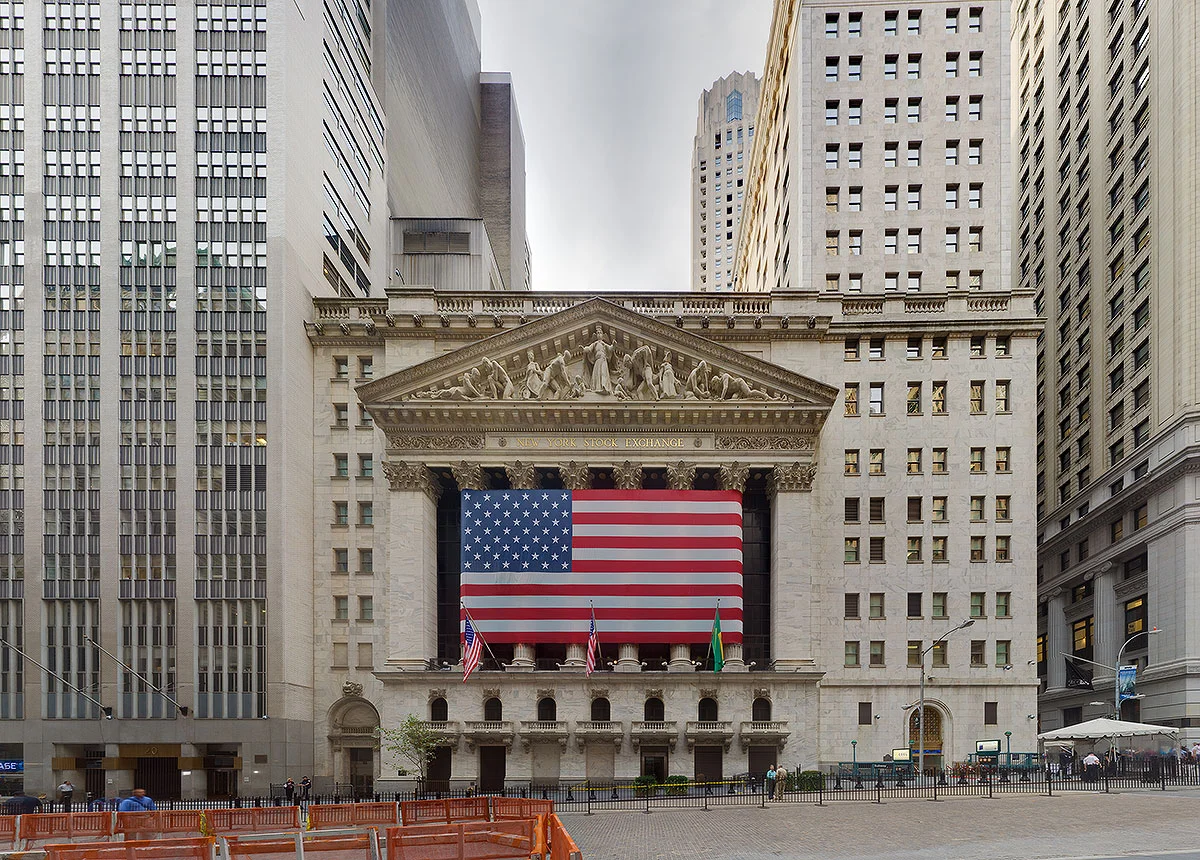
The New York Stock Exchange, commonly known as the NYSE, is the world’s largest stock exchange by market capitalization. Located on the famous Wall Street in New York City, the NYSE has become a global symbol of finance, capitalism, and economic power. Every day, billions of dollars flow through this historic exchange as investors buy and sell shares of some of the world’s most influential companies.
From iconic blue-chip corporations to innovative technology giants, the NYSE continues to shape global markets and investor confidence. But the exchange is more than just flashing numbers and ringing bells — it is a living institution with a rich history, advanced technology, and massive influence over the world economy.
The origins of the NYSE date back to 1792 when 24 stockbrokers signed the famous Buttonwood Agreement beneath a buttonwood tree on Wall Street. This agreement laid the foundation for organized securities trading in the United States.
Over the decades, the exchange evolved from informal outdoor trading into one of the most advanced financial institutions on Earth. As the American economy expanded during the Industrial Revolution, the NYSE became the central marketplace for raising capital and funding innovation.
Railroads, steel companies, oil giants, banks, and eventually technology firms all used the NYSE to access public investment. This transformed both the exchange and the U.S. economy into global financial leaders.
The NYSE plays a critical role in the global economy because it helps businesses raise money by selling shares to investors. Companies listed on the exchange can secure billions in funding for expansion, research, innovation, and hiring.
For investors, the NYSE provides opportunities to build wealth through ownership in major corporations. Pension funds, hedge funds, retail investors, and institutions all participate in the market daily.
The exchange also serves as a key indicator of economic health. When stock prices rise, it often reflects optimism about growth and profits. When markets fall sharply, it can signal economic uncertainty or fear.
At its core, the NYSE is a marketplace where buyers and sellers trade stocks. Companies first go public through an Initial Public Offering (IPO), allowing shares to be traded publicly.
The NYSE combines electronic trading systems with designated market makers who help maintain liquidity and orderly trading. This hybrid system allows trades to happen quickly and efficiently while reducing extreme volatility.
Key functions of the NYSE include:
Stock trading
IPO listings
Market regulation
Price discovery
Investor transparency
Capital formation
Modern technology enables millions of transactions to occur in seconds, making today’s NYSE vastly different from its paper-ticket trading past.
Many globally recognized corporations trade on the NYSE, including businesses from technology, healthcare, finance, energy, and consumer goods sectors.
Some well-known examples include:
Coca-Cola
Walmart
Visa
IBM
McDonald's
These companies attract investors from around the world and contribute heavily to overall market performance.
One of the NYSE’s most iconic traditions is the ringing of the opening and closing bells. Celebrities, CEOs, athletes, and political figures are often invited to ring the bell to mark major milestones, IPOs, or celebrations.
The bell ceremony has become a globally recognized symbol of business success and market activity. Television networks frequently broadcast the event as markets open each day.
The NYSE and the Nasdaq are the two largest stock exchanges in the United States, but they operate differently.
Traditional trading floor
Hybrid electronic and human trading system
Known for established blue-chip companies
Strong focus on stability and liquidity
Fully electronic exchange
Popular among technology companies
Home to many growth-focused firms
Faster electronic execution systems
Both exchanges are highly influential and compete globally for major company listings.
Today’s NYSE relies heavily on advanced technology, artificial intelligence, data analytics, and high-speed networks. Algorithmic trading now dominates a large percentage of market activity.
Investors can trade instantly using smartphones and online brokerages, giving ordinary people access to markets once controlled mainly by financial elites.
The exchange also uses cybersecurity systems and regulatory oversight to protect investors and maintain market integrity.
Despite its success, the NYSE has experienced major crashes and financial crises throughout history.
This devastating collapse triggered the Great Depression and caused widespread economic hardship across the world.
Markets suffered one of the largest single-day percentage declines in history.
Banking failures and the housing market collapse caused severe global market losses.
The pandemic created massive volatility as investors feared economic shutdowns worldwide.
These crises led to stronger regulations, improved safeguards, and better market monitoring systems.
The NYSE continues adapting to a rapidly changing financial world. Artificial intelligence, blockchain technology, digital assets, and global online investing are reshaping how markets operate.
Future trends may include:
Increased AI-powered trading
Greater retail investor participation
Blockchain-based settlement systems
Expansion of sustainable investing
More global cross-border listings
As financial technology evolves, the NYSE is expected to remain one of the world’s most important economic institutions.
The New York Stock Exchange is more than a building on Wall Street — it is the heartbeat of global finance. For over two centuries, the exchange has helped companies grow, investors build wealth, and economies expand.
Whether markets are booming or crashing, the NYSE remains at the center of international investing and economic activity. Understanding how it works offers valuable insight into the forces that shape businesses, governments, and financial markets worldwide.
For investors, students, and finance enthusiasts, the NYSE represents both opportunity and responsibility in the ever-changing world of global economics.