NYSE Faces Volatility as Markets React to Economic Signals!
Apr 19, 2026

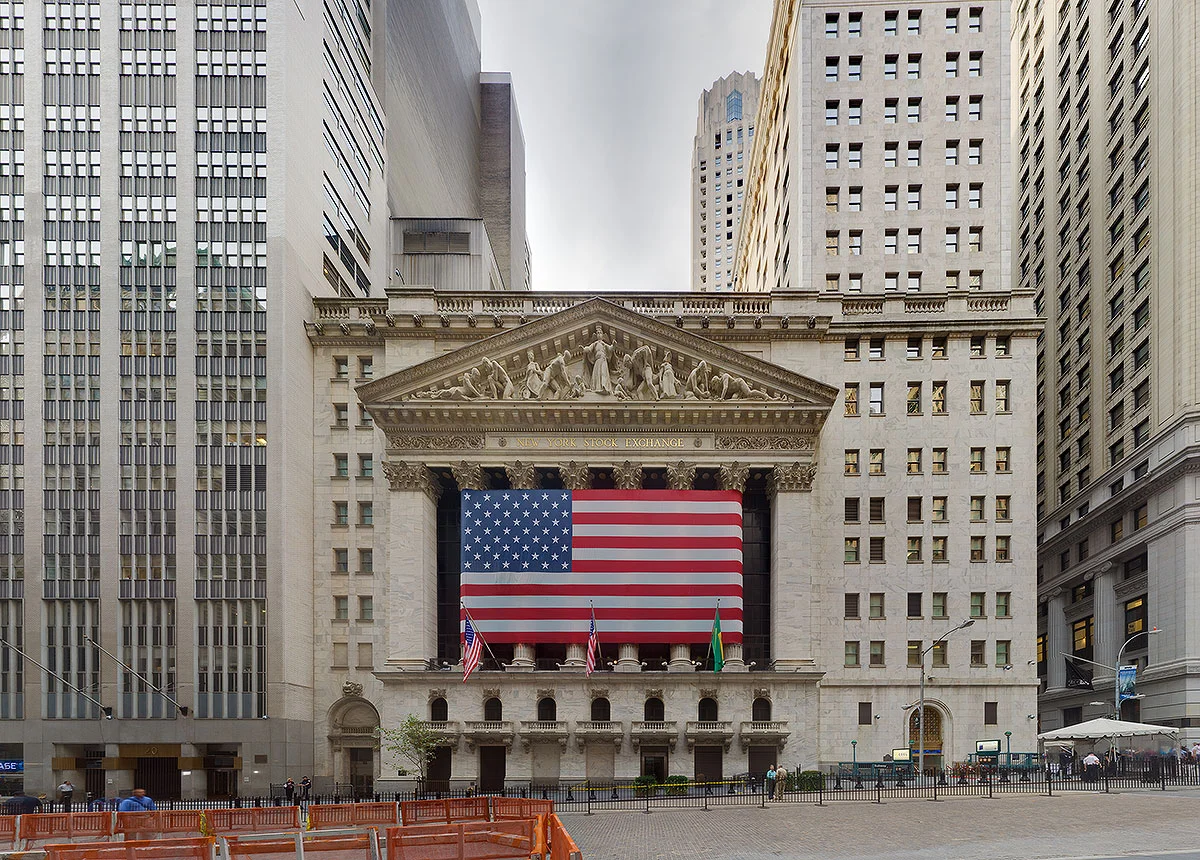
The New York Stock Exchange, widely known as the NYSE, remains one of the most powerful financial marketplaces in the world. Located on the famous Wall Street in New York City, the exchange has shaped global investing for more than two centuries. From giant multinational corporations to everyday investors using mobile trading apps, millions of people interact with the NYSE ecosystem every single day.
In 2026, the NYSE continues to dominate global finance with trillions of dollars in listed company value. It is home to many of the world’s biggest brands, including tech giants, healthcare leaders, industrial firms, banks, and consumer companies. The exchange is often viewed as a symbol of economic strength and investor confidence.
The origins of the NYSE date back to 1792, when a group of stockbrokers signed the famous Buttonwood Agreement under a tree on Wall Street. This agreement laid the foundation for organized securities trading in the United States.
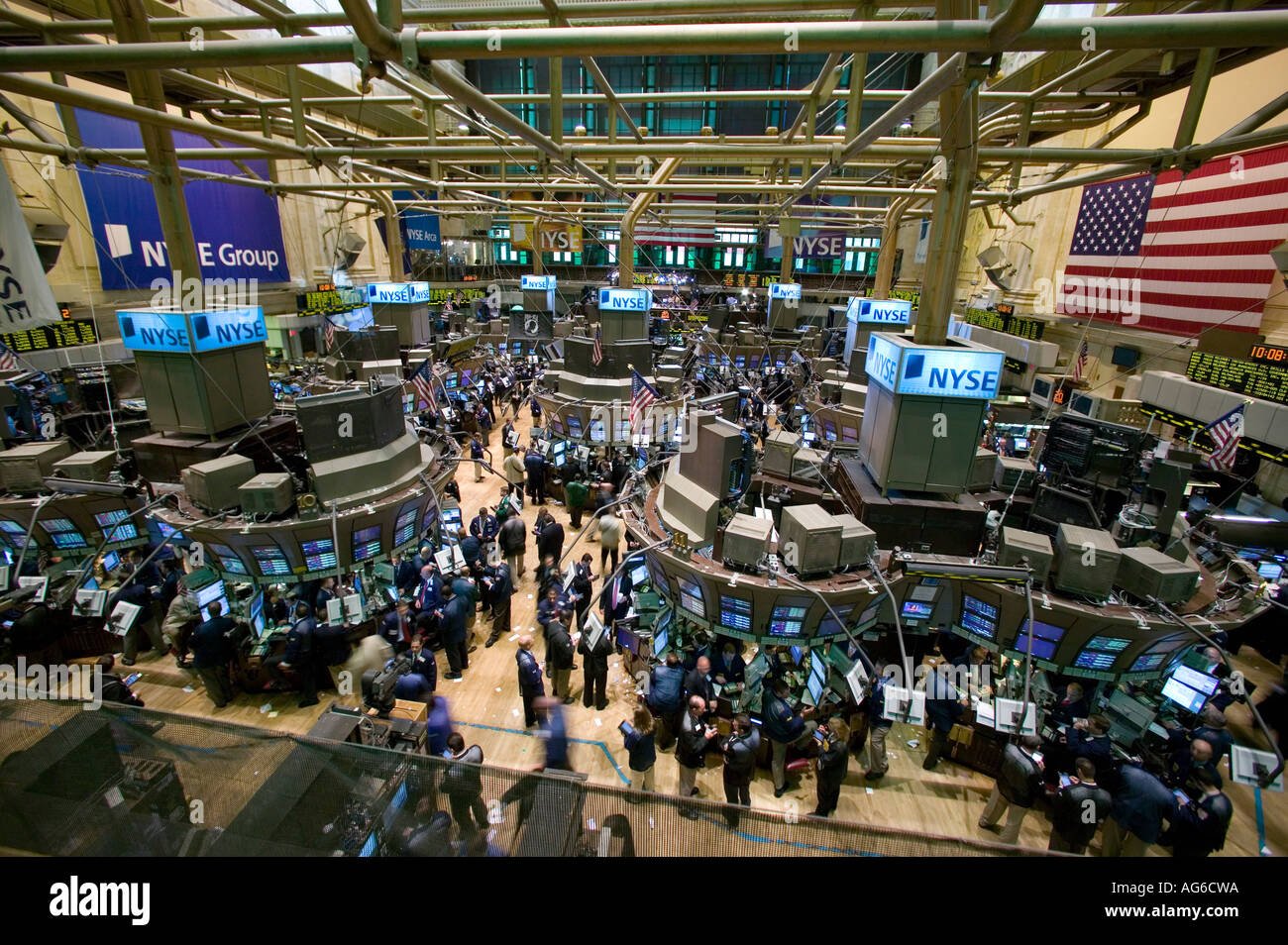
Over time, the exchange evolved from handwritten transactions and paper stock certificates into a highly advanced digital marketplace. Despite technological transformation, the NYSE still maintains a physical trading floor, making it unique among major global exchanges.
Major historical milestones include:
The rise of industrial America in the 1800s
The stock market crash of 1929
The post-war economic boom
The dot-com era of the 1990s
Modern electronic and algorithmic trading
Today, the NYSE blends traditional floor trading with advanced computerized systems.
The NYSE operates as a marketplace where buyers and sellers trade shares of publicly listed companies. When investors purchase stock, they are essentially buying ownership in a company.
Trading occurs through:
Electronic systems
Market makers
Floor brokers
Institutional investors
Retail traders
The exchange opens during regular U.S. market hours, and billions of dollars are traded daily.
Key market activities include:
Companies list their shares on the NYSE through an Initial Public Offering (IPO). Listing on the NYSE often boosts a company’s visibility and reputation.
Investors trade shares based on company performance, economic news, interest rates, and market sentiment.
The NYSE strongly influences major indices like the Dow Jones Industrial Average and the S&P 500.
Some of the biggest global corporations trade on the NYSE, including:
The Coca-Cola Company
Walmart
The Walt Disney Company
JPMorgan Chase
Nike
These corporations attract investors from around the globe due to their scale, profitability, and brand recognition.
Modern stock markets are powered by advanced technology. Artificial intelligence, machine learning, and algorithmic trading now influence market movements significantly.
Key innovations include:
High-frequency trading
Real-time market analytics
AI-driven investment tools
Mobile investing apps
Blockchain-based financial solutions
Technology has made investing faster and more accessible than ever before.
The NYSE is often considered a global economic indicator. When the market rises, it can reflect optimism about economic growth. When markets decline sharply, investors may worry about inflation, recession, or geopolitical uncertainty.
Investors monitor:
Corporate earnings reports
Interest rate decisions
Inflation data
Employment statistics
Global economic events
Because the NYSE is interconnected with global markets, its movements can influence economies worldwide.
Although stock investing offers growth opportunities, risks also exist.
Common risks include:
Market volatility
Economic downturns
Company bankruptcies
Political uncertainty
Inflation pressure
Long-term investors often reduce risk through diversification and disciplined investing strategies.
The future of the NYSE will likely include even greater digital transformation. Artificial intelligence, automation, and blockchain technology may reshape how trading operates over the coming decades.
Potential future trends include:
Faster global trading systems
Increased AI market analysis
More retail investor participation
Tokenized financial assets
Sustainable investing growth
Despite evolving technology, the NYSE is expected to remain a central pillar of global finance.
The New York Stock Exchange is far more than just a building on Wall Street. It represents global capitalism, innovation, and economic opportunity. From historic market crashes to modern AI-powered trading systems, the NYSE has continually adapted to changing times.
For investors, traders, students, and finance enthusiasts, understanding the NYSE provides valuable insight into how the global economy functions.