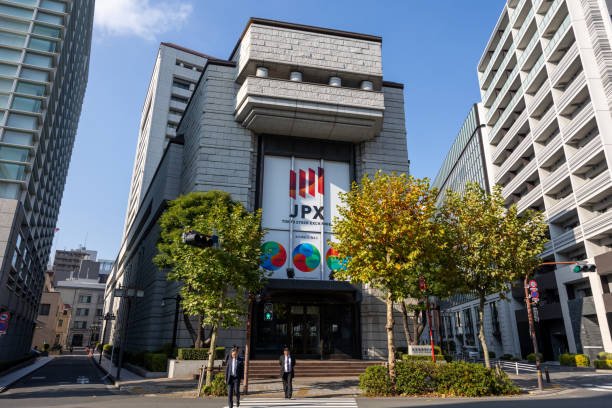
Tokyo Stock Exchange Sees Cautious Trading Amid Global Uncertainty
Apr 19, 2026
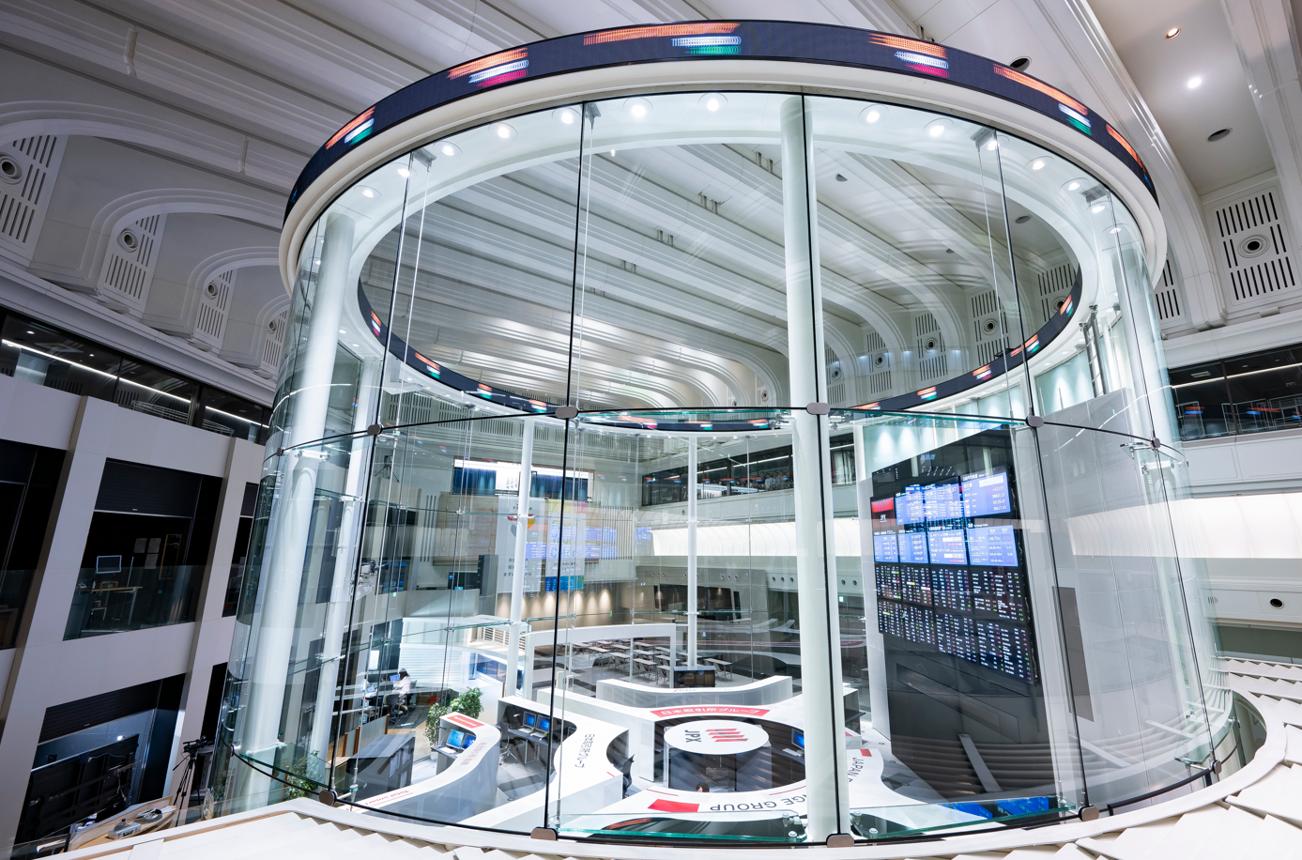
Tokyo Stock Exchange, commonly called the TSE, is the largest stock exchange in Japan and one of the most important financial markets in the world.
Located in Tokyo, the TSE serves as a major center for trading stocks, ETFs, bonds, and other financial products. It plays a critical role in Japan’s economy and strongly influences Asian and global financial markets.
The Tokyo Stock Exchange is a marketplace where investors buy and sell shares of publicly traded Japanese companies.
It allows corporations to:
Raise money from investors
Expand business operations
Increase public ownership
At the same time, investors gain opportunities to participate in the growth of major Japanese businesses.
The Tokyo Stock Exchange was founded in 1878 during Japan’s modernization period.
Over time, it evolved into one of the world’s largest exchanges through:
Industrial growth
Technological innovation
Expansion of Japanese corporations
International investment activity
Japan’s rapid post–World War II economic growth helped make the TSE a global financial leader.
The Tokyo Stock Exchange is important because:
Japanese corporations raise billions through stock listings.
Movements in the TSE affect markets across Asia.
Many internationally recognized companies are listed there.
Stock performance often signals economic confidence in Japan.
Many famous Japanese corporations trade on the TSE.
Examples include:
Toyota Motor Corporation
Sony Group Corporation
Nintendo
SoftBank Group
These companies attract investors from around the world.
The TSE operates mainly through advanced electronic trading systems.
Investors can:
Buy stocks
Sell shares
Trade ETFs
Invest in derivatives
Prices change constantly based on:
Company performance
Economic data
Currency movements
Global financial trends
One of the most important market indexes connected to the TSE is the Nikkei 225.
The Nikkei 225 tracks major Japanese companies and is often used as a measure of Japan’s stock market performance.
When the Nikkei rises or falls, global investors pay close attention.
The TSE is often compared with major American exchanges like the New York Stock Exchange and Nasdaq.
| TSE | NYSE/NASDAQ |
|---|---|
| Japan-focused | U.S.-focused |
| Major Asian exchange | Major American exchanges |
| Strong industrial & electronics companies | Strong tech & finance sectors |
| Influences Asian markets | Influences global Western markets |
The Tokyo Stock Exchange heavily invests in:
High-speed electronic trading
AI-driven market systems
Cybersecurity
Financial data technology
Japan’s reputation for technological innovation helped modernize the TSE into one of the world’s most advanced exchanges.
The TSE faces several challenges:
Japan has experienced periods of slow economic growth.
Demographic changes affect long-term economic outlook.
Movements in the Japanese yen impact markets.
Competition from international exchanges continues increasing.
Future trends likely shaping the Tokyo Stock Exchange include:
Expansion of AI and fintech
Increased foreign investment
Sustainable finance growth
Blockchain technology integration
Continued digital transformation
Japan’s financial influence remains highly important globally.
Tokyo Stock Exchange is one of the world’s most influential financial marketplaces and a cornerstone of the Asian economy.
By supporting major global corporations and advanced electronic trading systems, the TSE continues shaping international finance and investment.
As technology and global markets evolve, the Tokyo Stock Exchange remains a powerful symbol of Japan’s economic strength and financial innovation.