Tokyo Stock Exchange Sees Cautious Trading Amid Global Uncertainty
Apr 19, 2026
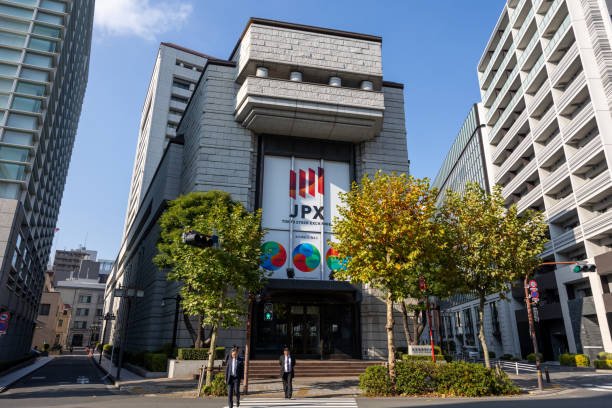
The Tokyo Stock Exchange, commonly known as the TSE, is the largest stock exchange in Japan and one of the most important financial markets in the world. Located in Tokyo, the exchange serves as a central hub for trading shares of major Japanese and international companies.
As Asia’s leading financial marketplace, the TSE plays a major role in shaping global investment trends. Millions of investors follow its movements daily because Japan remains one of the world’s largest economies and home to globally recognized corporations.
The Tokyo Stock Exchange was established in 1878 during Japan’s modernization period known as the Meiji Era. The country was rapidly industrializing and needed organized financial markets to support economic growth and business expansion.
Over the decades, the TSE grew alongside Japan’s rise as a global industrial and technological powerhouse. After World War II, Japan experienced remarkable economic growth, and the stock market became a key driver of investment and corporate development.
Today, the exchange is operated by the Japan Exchange Group and remains one of the largest stock exchanges globally by market capitalization.
The TSE provides an electronic marketplace where investors buy and sell financial securities such as:
Stocks
Exchange-traded funds (ETFs)
Bonds
Real estate investment trusts (REITs)
Trading is conducted through highly advanced digital systems capable of processing large transaction volumes quickly and efficiently.
The exchange is divided into different market sections designed for companies of varying sizes and growth stages. This structure helps both established corporations and emerging businesses access investment capital.
Many of Japan’s most famous corporations are listed on the TSE, including:
Toyota Motor Corporation
Sony Group Corporation
Nintendo
SoftBank Group
These companies have enormous international influence in industries such as automobiles, gaming, telecommunications, robotics, and consumer electronics.
The TSE is considered a key indicator of economic conditions in Asia. Investors monitor Japanese markets closely because Japan’s economy strongly influences international trade, technology production, and manufacturing industries.
One of the most widely followed indexes associated with the exchange is the Nikkei 225, which tracks the performance of major Japanese companies.
Factors that influence the TSE include:
Interest rates in Japan
Global economic growth
Currency movements involving the Japanese yen
Technology sector performance
International trade policies
Because Japan is a leading exporter, global economic changes often impact stock prices on the TSE.
Japan is known for technological innovation, and the TSE continues adopting advanced financial technologies to improve efficiency and market stability.
Artificial intelligence, automated trading systems, and digital financial services are becoming increasingly important in Japanese markets. The exchange is also focusing on cybersecurity and sustainable finance initiatives to remain competitive in the modern investment landscape.
Experts believe the TSE will continue playing a major role in global finance due to Japan’s economic strength, technological leadership, and international investor confidence.
The Tokyo Stock Exchange stands as one of the world’s most influential financial markets. From its historic beginnings in the 19th century to its modern digital trading systems, the exchange has helped shape Japan’s economic success and global financial reputation.
For investors interested in Asian markets, technology companies, and international finance, understanding the TSE provides valuable insight into one of the most powerful economies in the world.