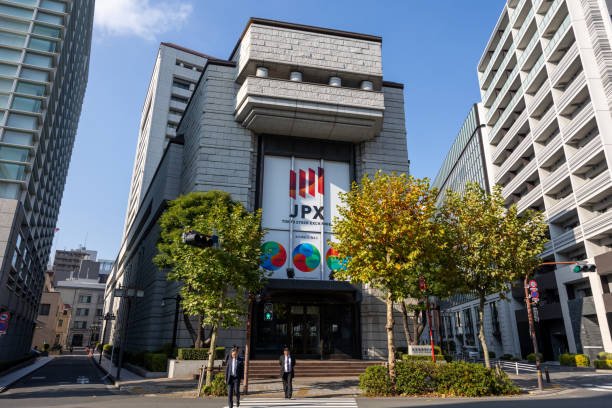
Tokyo Stock Exchange Sees Cautious Trading Amid Global Uncertainty
Apr 19, 2026
The Tokyo Stock Exchange, commonly known as TSE, is the largest stock exchange in Japan and one of the biggest financial markets in the world. Located in Tokyo, the exchange plays a major role in the global economy by connecting companies, investors, and financial institutions.
The TSE is operated by Japan Exchange Group and is home to many globally recognized Japanese corporations. It is widely respected for its technological innovation, strong regulations, and influence on Asian financial markets.
The Tokyo Stock Exchange was founded in 1878 during Japan’s modernization era. As Japan rapidly industrialized, the exchange became essential for raising capital and supporting economic growth.
The TSE experienced major events throughout history, including temporary closures during World War II and rapid expansion during Japan’s economic boom in the 1980s. Over time, it evolved into one of the world’s leading financial centers.
The TSE operates through advanced electronic trading systems that allow investors to trade stocks quickly and efficiently.
Key features include:
Fully electronic trading platform
High liquidity and trading volume
Strict corporate governance standards
Domestic and international investor participation
Markets for equities, ETFs, REITs, and derivatives
The exchange is divided into different market segments based on company size and growth potential.
Many of Japan’s largest multinational companies are listed on the Tokyo Stock Exchange, including:
Toyota Motor Corporation
Sony Group Corporation
Nintendo
SoftBank Group
Honda Motor Co., Ltd.
These companies are globally recognized brands with millions of investors worldwide.
The Tokyo Stock Exchange is important because it:
Supports Japan’s economy
Provides capital for businesses
Attracts global investment
Influences Asian financial markets
Reflects Japan’s economic performance
Movements in the Japanese stock market often impact other Asian exchanges and international investors.
One of the most famous indices associated with the TSE is the Nikkei 225. It tracks 225 major Japanese companies and is considered a key indicator of Japan’s stock market performance.
Global investors closely monitor the Nikkei 225 for signals about Japan’s economy and broader Asian market trends.
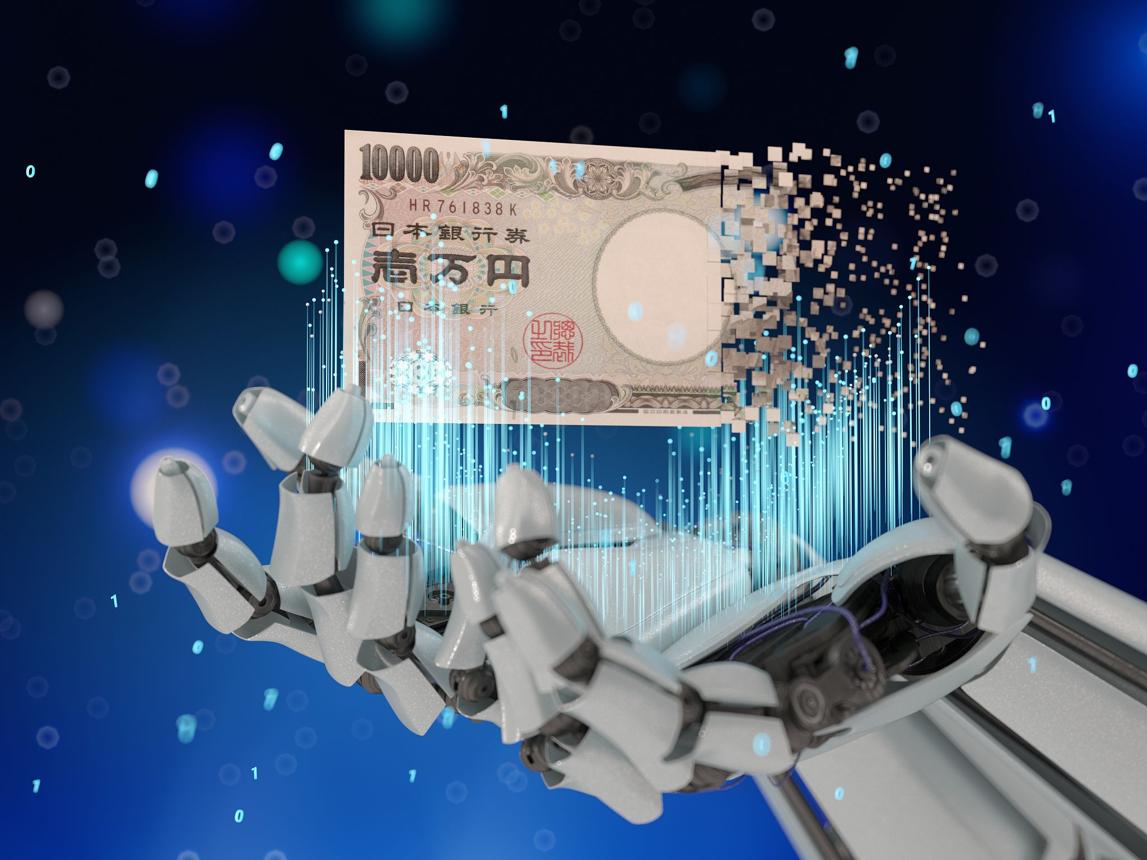
Japan is known for technological innovation, and the TSE uses advanced systems for high-speed and secure trading. Artificial intelligence, automation, and data analytics are increasingly shaping Japan’s financial markets.
The exchange also focuses on cybersecurity and market stability to protect investors and maintain trust.
Investing in TSE-listed companies involves risks such as:
Currency exchange fluctuations
Global economic slowdowns
Natural disasters
Interest rate changes
Market volatility
Investors often diversify portfolios to manage risk and improve long-term investment stability.
The future of the TSE is expected to focus on digital transformation, sustainable investing, and international market expansion. ESG investing is becoming increasingly important as investors prioritize environmentally and socially responsible businesses.
Japan’s strong economy, innovation culture, and global companies are likely to keep the TSE among the world’s leading stock exchanges.
The Tokyo Stock Exchange is a cornerstone of the Asian and global financial system. From supporting Japan’s industrial growth to powering modern digital trading, the TSE remains one of the world’s most influential financial marketplaces.
For investors and finance enthusiasts, understanding the Tokyo Stock Exchange provides valuable insight into global markets, technology, and international economic trends.