Altcoins – Exploring the World of Cryptocurrencies Beyond Bitcoin and Their Role in the Future of Digital Finance
Apr 20, 2026
If you have spent more than five minutes exploring the world of cryptocurrency, you’ve undoubtedly run into the term "Altcoin." While Bitcoin gets the lion's share of mainstream media attention, it represents just one single slice of the digital asset pie. Thousands of other cryptocurrencies are actively trading in the market—and collectively, they are known as altcoins.
But what exactly qualifies a coin as an altcoin, how do they differ from Bitcoin, and should you consider adding them to your portfolio? Let’s dive in.
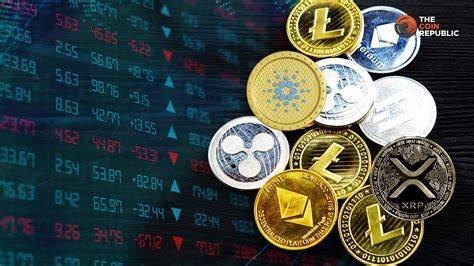
Suggested Image Alt Text (SEO): A collection of various altcoin tokens including Ethereum Solana and XRP coins
The term Altcoin is a mashup of two words: "Alternative" and "Coin." In the early days of crypto, the definition was simple: any cryptocurrency that was not Bitcoin was an altcoin. While that technical definition still holds true, the market has matured significantly. Today, calling something like Ethereum (a network settling billions of dollars daily) an "alternative" doesn't quite capture its scale. Think of Bitcoin as the original blueprint, and altcoins as the diverse software, applications, and financial tools built using updated versions of that blueprint.
Not all altcoins are created equal. To make sense of the thousands of tokens out there, the crypto industry generally groups them into a few major categories based on their functionality:
These are independent blockchains that allow developers to build decentralized applications (dApps) right on top of them. Instead of just acting as digital money, they act as decentralized operating systems.
Examples: Ethereum (ETH), Solana (SOL), Cardano (ADA).
These are altcoins explicitly designed to minimize price volatility. Their value is pegged 1:1 to a steady asset, most commonly the U.S. Dollar. Investors use them to lock in profits or move funds without converting back into traditional bank cash.
Examples: Tether (USDT), USD Coin (USDC).
These tokens are native to specific ecosystems or crypto exchanges. Holding or using them gives you specific benefits, such as discounted trading fees, voting rights on network upgrades, or access to specialized services.
Examples: Binance Coin (BNB), Bittensor (TAO).
Meme coins are cryptocurrencies born out of internet jokes, community hype, and pop culture. Unlike utility tokens, their value is driven almost entirely by community sentiment and social media engagement rather than underlying technology.
Examples: Dogecoin (DOGE), Shiba Inu (SHIB).
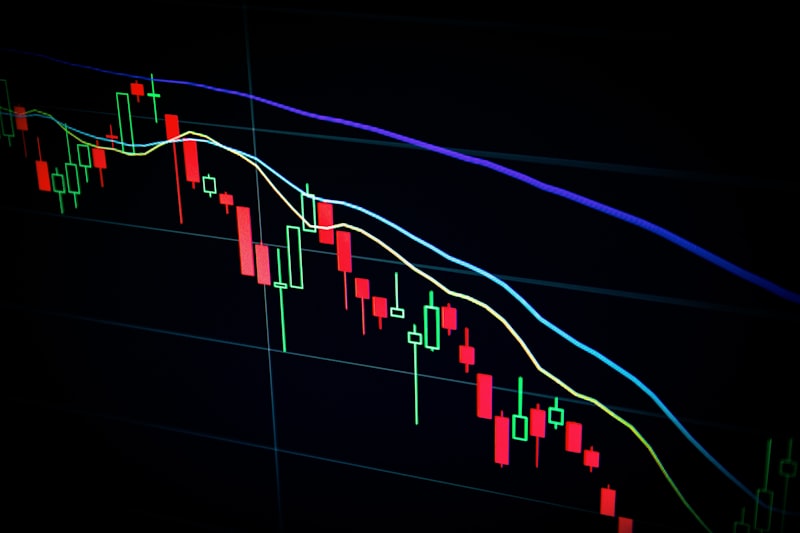
Suggested Image Alt Text: Financial screen displaying top altcoins by market cap performance and green trading data
To give you an idea of how the altcoin market is structured, here is a look at the heavyweights dominating the space outside of Bitcoin:
| Altcoin | Ticker | Primary Use Case | What Makes It Unique |
|---|---|---|---|
| Ethereum | ETH | Smart Contracts & DeFi | The undisputed king of Web3 infrastructure and Layer-2 scaling networks. |
| Solana | SOL | High-Speed DApps | Famous for processing tens of thousands of transactions per second for fractions of a penny. |
| Binance Coin | BNB | Utility & Ecosystem | Powers the BNB Chain and offers massive trading utility within the world’s largest exchange. |
| XRP | XRP | Cross-Border Payments | Designed specifically for banks and institutions to move global fiat currency instantly. |
When browsing crypto forums, you will frequently hear the phrase "Altseason." This refers to a specific phase in the crypto market cycle. Typically, a market rally starts with capital flowing heavily into Bitcoin, driving its price up. Once Bitcoin stabilizes or moves sideways, investors take their profits and "rotate" that capital into higher-risk, higher-reward altcoins.
When a massive wave of money floods into smaller tokens simultaneously, causing them to outperform Bitcoin for weeks or months at a time, you are witnessing an Altseason. However, modern market trends show that capital is becoming much more selective, flowing primarily into alts with real network utility rather than pumping every token blindly.
Before you swap your hard-earned cash for altcoins, it’s vital to weigh the risks:
Massive Growth Potential: Because altcoins have smaller market capitalizations than Bitcoin, it takes significantly less buying pressure to double or triple their price.
Diverse Utility: Investing in an altcoin allows you to back specific technology sectors, like Artificial Intelligence (AI), decentralized finance, or supply chain tracking.
Extreme Volatility: Altcoins experience much sharper price drops during market downturns. It is not uncommon for smaller alts to lose 80% or more of their value in a bear market.
Scams and Failures: Thousands of altcoins have completely vanished over the years due to a lack of adoption, developer abandonment, or outright regulatory crackdowns.
Altcoins are the innovation sandbox of the cryptocurrency world. They represent the fast-paced, highly creative evolution of blockchain technology beyond simple peer-to-peer cash. While they offer thrilling upside potential, a smart investor treats them with caution—focusing on projects with strong development teams, real-world utility, and clear transparent goals.