NYSE Faces Volatility as Markets React to Economic Signals!
Apr 19, 2026
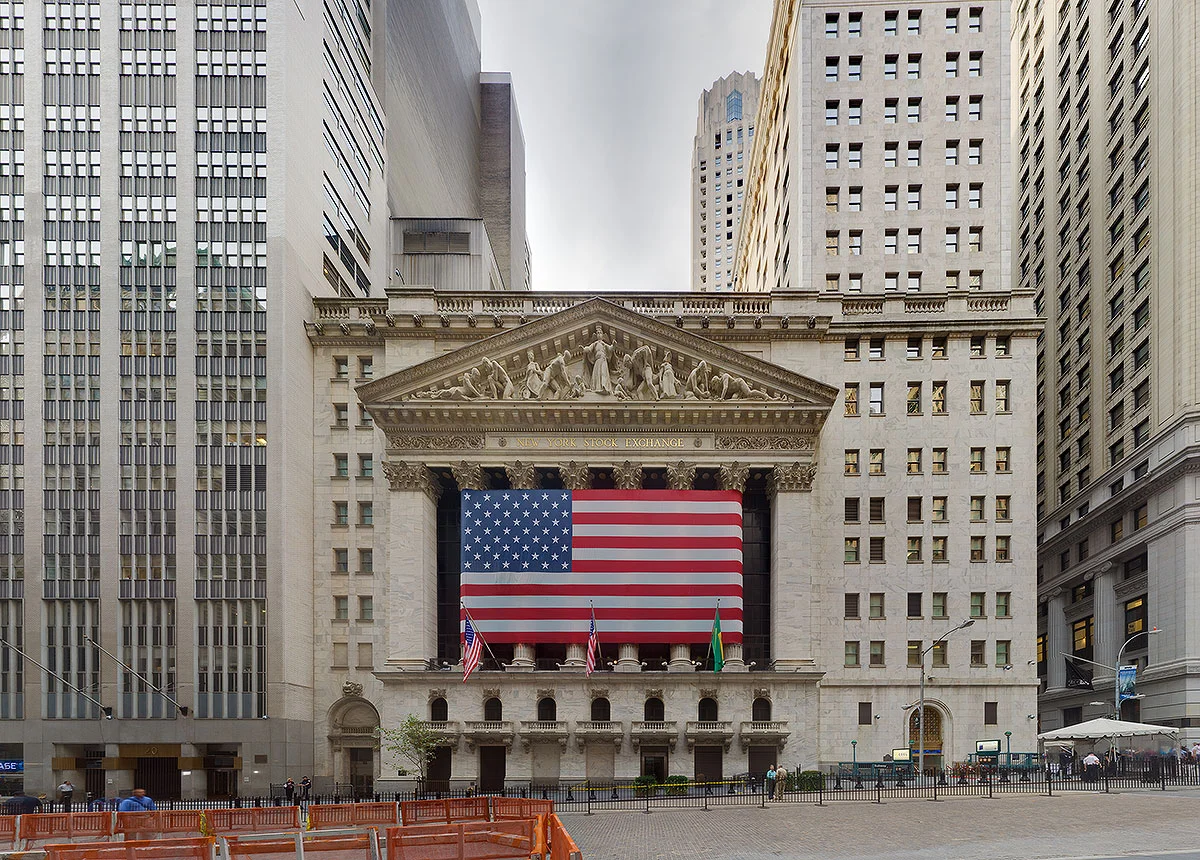
The New York Stock Exchange (NYSE), affectionately known as the "Big Board," is the largest stock exchange in the world by market capitalization. Located at 11 Wall Street in Lower Manhattan, New York City, it stands as the ultimate symbol of global capitalism and financial power.
Whether you are a novice investor or a seasoned trader, understanding how the NYSE operates is fundamental to navigating the financial markets.
Founded in 1792 under the famous Buttonwood Agreement, the NYSE has evolved from a small gathering of merchants into a financial powerhouse. Unlike purely electronic exchanges like the NASDAQ, the NYSE utilizes a hybrid model. This means it combines cutting-edge electronic trading with human expertise on the physical trading floor.
Here are a few key characteristics of the NYSE:
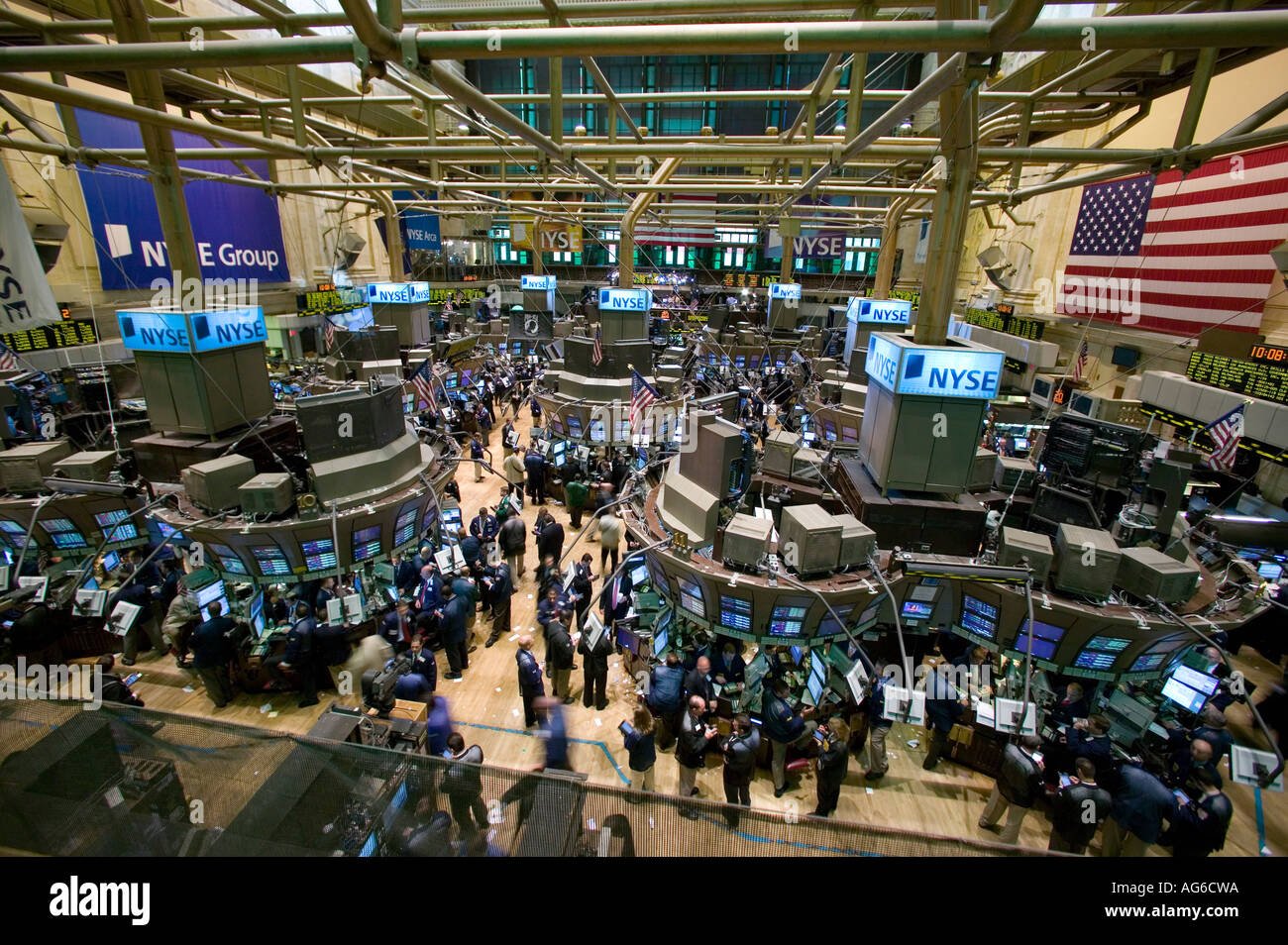
The Trading Floor: While most trades are executed digitally today, the NYSE still maintains its iconic trading floor where Designated Market Makers (DMMs) manage the auction process for specific stocks.
Strict Listing Requirements: To be listed on the NYSE, companies must meet rigorous financial standards, including minimum thresholds for earnings, market value, and public float. This gives NYSE-listed stocks a reputation for stability.
The Opening and Closing Bells: The ringing of the NYSE bell at 9:30 AM and 4:00 PM EST marks the official start and end of the North American trading day—a tradition that attracts global CEOs and celebrities.
When investors talk about how "the market" is doing, they are often referring to performance indices heavily tied to the NYSE:
Dow Jones Industrial Average (DJIA): A price-weighted index tracking 30 prominent, blue-chip companies, many of which are listed on the NYSE.
S&P 500: A market-cap-weighted index of the 500 largest publicly traded U.S. companies, serving as a broad gauge of the U.S. economy.
Quick Investor Tip: Because the NYSE hosts many older, well-established "blue-chip" companies (like Coca-Cola, Walmart, and JPMorgan Chase), it tends to be viewed as slightly less volatile than tech-heavy exchanges like the NASDAQ. It is an excellent hunting ground for stable dividend-paying stocks.
You don't need millions of dollars to participate in the NYSE. Thanks to modern financial technology, getting started is simple:
Step 1: Open a brokerage account with a reputable platform.
Step 2: Fund your account.
Step 3: Research NYSE-listed companies using their unique ticker symbols (e.g., T for AT&T or DIS for Walt Disney).
Step 4: Place a market or limit order to buy your first shares.
By understanding the mechanics of the NYSE, you take a massive step toward financial literacy and building long-term wealth. Happy investing!