SSE Sees Cautious Trading as Investors Monitor China’s Economic Outlook
Apr 19, 2026
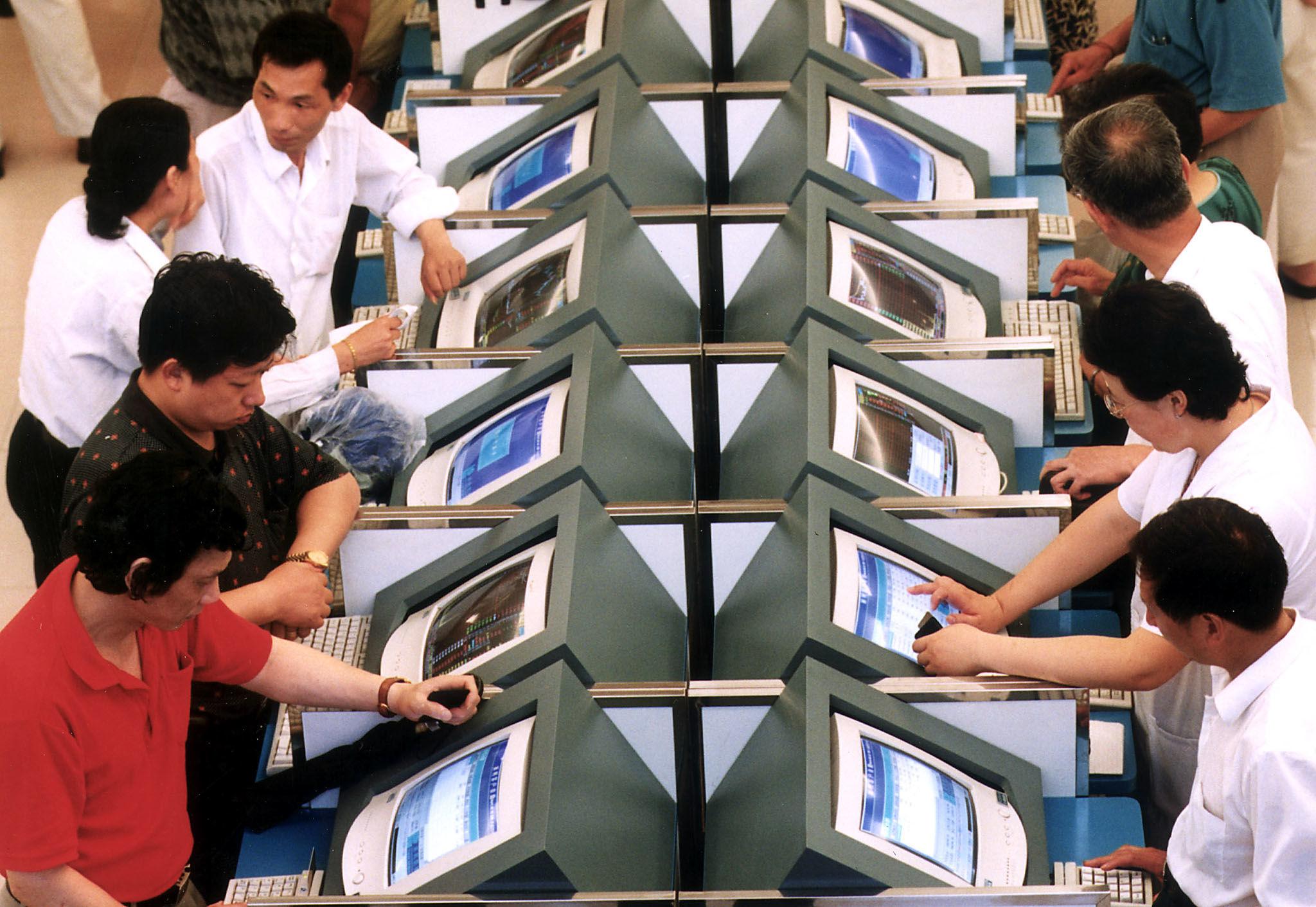
The Shanghai Stock Exchange (SSE)—the crown jewel of mainland China’s capital markets—is navigating a foundational era. Moving away from the high-flying property and pure consumer-tech rallies of the last decade, Beijing has initiated a sweeping structural transformation.
With a laser focus on "patient capital," the monetization of state-owned enterprises (SOEs), and the rapid expansion of high-tech manufacturing, the SSE is being redesigned from the ground up. For global and domestic investors alike, understanding these state-driven market dynamics is crucial to unlocking value in Shanghai.
If there is a single phrase defining the SSE right now, it is "New Quality Productive Forces." Beijing has shifted its regulatory and financial muscle away from real estate speculation and toward advanced, self-reliant economic sectors.
The SSE STAR Market (Sci-Tech Innovation Board) sits at the very epicenter of this shift. Capital is being heavily funneled into:
Advanced Semiconductor Fabrication: Driving domestic chip self-sufficiency.
Green Energy Infrastructure: Dominating the global supply chain for EV batteries and solar tech.
AI & Quantum Computing Hardware: Securing the technological backbone of the domestic economy.
For years, massive State-Owned Enterprises (SOEs) listed on the SSE main board traded at steep discounts compared to their Western peers. To remedy this, regulators launched a sweeping corporate governance initiative focused on elevating the valuations of these state-backed giants.
Known in market circles as the "Central-Value" boom, the SSE is forcing SOEs to optimize their balance sheets, increase dividend payouts, and launch massive share buybacks. Because these companies control vital sectors like telecommunications, energy, and heavy infrastructure, they are transforming into highly lucrative, high-yielding defensive havens for risk-averse capital.
To combat historic market volatility and sudden retail panic-selling, China's financial regulators are actively shifting the investor base of the SSE.
The Strategy: Incentivizing long-term "patient capital"—such as domestic social security funds, large insurance conglomerates, and sovereign wealth funds—to aggressively increase their equity allocations.
The Impact: This institutional backstop is designed to damp down the speculative swings historically associated with mainland exchanges, paving the way for a more mature, valuation-driven bull market.
| Feature | SSE Main Board | SSE STAR Market |
|---|---|---|
| Primary Focus | Large, mature, blue-chip companies and restructured SOEs. | Early-to-mid stage tech and strategic innovation sectors. |
| Listing Style | Traditional registration with strict profitability requirements. | Flexible, disclosure-based registration modeling the Nasdaq. |
| Daily Price Limits | Stricter daily price fluctuation caps (typically 10%). | Higher volatility tolerance with a 20% daily price limit. |
Align with State Objectives: On the SSE, policy is destiny. Sectors that align with five-year state goals (renewables, defense, advanced tech) enjoy immense structural tailwinds, while sectors facing regulatory scrutiny should be approached with caution.
A Rising Dividend Culture: Driven by regulatory mandates, the SSE is rapidly shedding its reputation as a purely speculative trading arena and turning into a highly competitive dividend-paying marketplace, particularly among its heavy industrial and financial components.
The Shanghai Stock Exchange is no longer just a mirror of China's broad macroeconomic GDP; it is a highly curated vehicle for its future industrial strategy. By forcing state giants to unlock shareholder value and clearing a streamlined path for deep-tech IPOs, the SSE is presenting a completely different risk-reward profile than it did five years ago. For investors willing to read the policy maps carefully, Shanghai offers unparalleled scale in the sectors that will define the next decade of global manufacturing.
Shanghai Stock Exchange trading board SSE STAR market tech IPOs and China market regulations