
Silver News – Latest Global Updates on Silver Markets, Industrial Demand, and Investment Trend
Apr 20, 2026
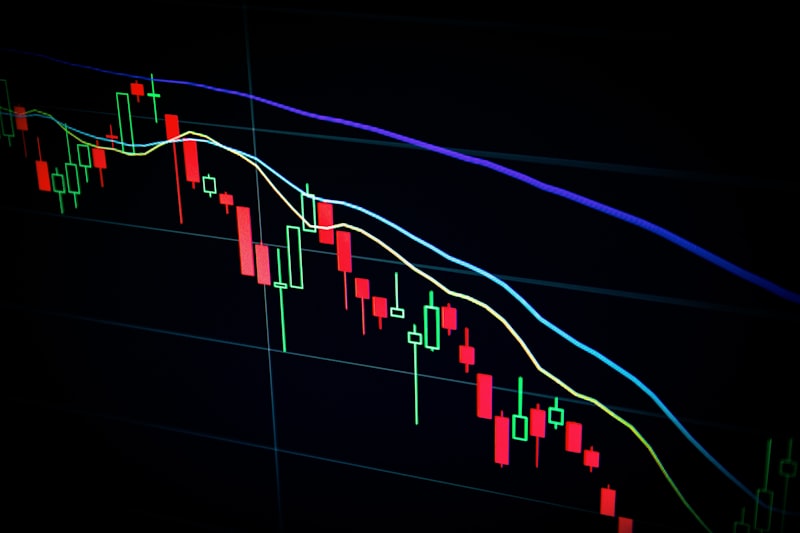
The silver market in mid-2026 continues to demonstrate its characteristic volatility, providing both sharp risks and explosive opportunities for precious metal investors. Following a massive historical breakout where silver shattered its long-standing ceiling to enter true price-discovery territory, the metal is currently navigating a healthy tactical correction.
As of May 2026, international spot silver is hovering around the $74 to $76 per troy ounce range, experiencing a minor pullback due to renewed U.S. inflation anxieties and expectations of tighter monetary policies by the Federal Reserve.
Several macroeconomic headwinds have combined to trigger a wave of profit-taking and long liquidation:
Interest Rate Pressures: Persistent inflation data has led institutional investors to bet on higher-for-longer U.S. interest rates, pushing capital temporarily back into the dollar index.
Shifting Supply Projections: Major financial institutions like UBS recently lowered their global silver deficit projections to roughly 60–70 million ounces (down from earlier extreme estimates), relieving immediate supply panic.
Geopolitical Swings: Market caution remains elevated as global leaders hold high-stakes economic and trade summits, keeping investors on edge regarding the stabilization of conflicts in the Middle East.
Despite the near-term noise, the long-term fundamental thesis for silver remains incredibly strong. Analysts view this pullback not as a trend reversal, but as a classic entry window.
Silver's dual role as both a safe-haven asset and an essential industrial metal is its greatest strength. The rapid expansion of AI data centers, high-efficiency semiconductors, electric vehicles, and green technologies keeps the demand curve steep. The photovoltaic (solar panel) sector alone is consuming record amounts of annual supply, and there is no viable, high-performance substitute for silver in these components.
While Western paper markets show short-term hesitation, physical demand out of Asia is breaking records. China recently imported a staggering 836 metric tons of silver in a single month—nearly three times its historical monthly average—driven by aggressive retail investment and industrial stockpiling.
The silver market is staring down its fifth consecutive year of structural supply deficit. Primary mine production growth remains severely restricted by permitting delays, high capital intensity, and declining ore grades across major global miners.
From a technical analysis perspective, maintaining a firm base above the previous multi-year resistance zone is a highly bullish indicator. While short-term technical indicators show minor bearish cloud resistance, stabilizing at these elevated levels lays the groundwork for the next leg up.
Analyst Consensus: While conservative banking forecasts cluster around the $56–$65 average for the year, structural momentum and technical chart extensions suggest that if the gold-to-silver ratio compresses, targets of $84.57 and $91.87 are entirely back on the table before the end of 2026.
Silver continues to reward patience and fundamental discipline. For commodity investors, accumulation during these periods of inflation-driven weakness has historically yielded high-asymmetry rewards. As global electrification accelerates and structural supply constraints tighten, silver remains one of the most dynamic macro plays in commodities today.

.webp)