Non-Fungible Tokens (NFTs) – Redefining Digital Ownership Through Blockchain Technology and Unique Digital Assets
Apr 20, 2026
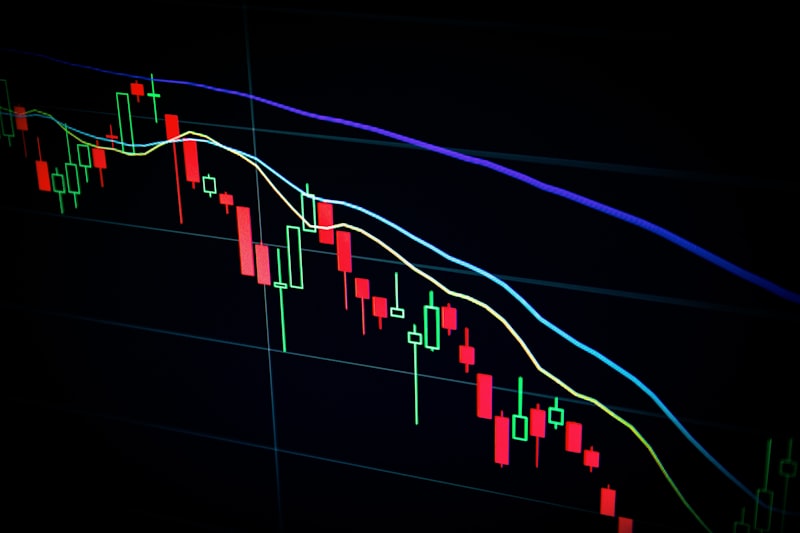
The narrative that "NFTs are dead" is one of the most widely repeated misconceptions in modern web3. The reality? The non-fungible token market didn't die—it finally grew up.
Following the speculative frenzy of the early 2020s and a harsh market correction, NFTs have completely shed their image as mere digital JPEGs. The market is projected to expand from roughly $18.7 billion to over $100 billion by 2034. Today, the tokens gaining true traction are built with a "utility-first" philosophy, serving as verifiable digital infrastructure for consumer brands, enterprise logistics, and real estate. Here are the core trends reshaping the NFT landscape.
The era of buying an avatar purely to flip it for a higher price has fundamentally ended. On-chain analytics show that a staggering 94% of 2021-era Profile Picture (PFP) projects now hold floor prices under $50. The combined market cap of the top ten legacy PFP collections has compressed from a historic $18 billion down to roughly $2.1 billion.
However, as speculative trading faded, enterprise infrastructure stepped into the vacuum. Dedicated enterprise NFT platforms have experienced 67% year-over-year adoption growth, transforming the technology from a speculative digital toy into a highly secure, cryptographic ledger for corporate data and access management.
One of the most commercially successful use cases is the integration of the "digital twin"—pairing a high-value physical asset with an immutable NFT that serves as its certificate of authenticity, warranty, and lifecycle passport.
Luxury Goods & Streetwear: Elite fashion brands and watchmakers are embedding scannable chips into physical goods that link directly to an on-chain NFT. This permanently solves authentication issues in secondary resale markets.
Supply Chain Provenance: Industrial enterprises are utilizing non-fungible tokens to track raw materials, certifying ethical sourcing and creating unalterable shipping records that move dynamically across global borders.
The most disruptive segment of the modern NFT architecture lies in the fractionalization and tokenization of high-value real-world assets.
The Tokenized Real Estate Boom: The market value of tokenized real estate has climbed to an estimated $78 billion. By representing land deeds and commercial property shares as unique, non-fungible tokens, the market has unlocked unprecedented liquidity, allowing everyday investors to purchase fractional shares of income-generating properties.
Furthermore, public sector adoption is picking up speed. To date, 23 nations have successfully piloted or deployed government-issued NFT credentials. These range from sovereign educational degrees and medical records to digital identity passports, utilizing the un-censorable nature of blockchain ledgers to eliminate document forgery.
| Metric / Feature | 2021 Speculative Era | 2026 Utility Era |
|---|---|---|
| Primary Use Case | Digital Art, Speculative PFPs, Hype Communities | RWAs, Brand Loyalty, Digital Twins, Identity |
| Dominant Blockchains | High-fee Ethereum Mainnet | Low-fee ecosystems (Solana, Polygon, Base) |
| Secondary Market Dynamics | Hyper-liquid, high-volatility flipping | Illiquid, long-term value and utility retention |
| Consumer Psychology | "Hope to resell for a massive profit" | "Own tokenized access, equity, or status" |
For brands and investors navigating the landscape, the strategic playbook has completely flipped. Success no longer relies on artificial scarcity or marketing roadmaps; it requires immediate, intrinsic value.
Whether it is a fashion giant issuing tiered membership tokens that unlock exclusive, real-world experiences, or a financial platform facilitating fractional ownership of a logistics hub, NFTs have successfully transitioned into a back-end standard. The speculative bubble has burst, leaving behind a highly efficient tool for digital and physical ownership.
NFT market capitalization trends real world asset tokenization and enterprise utility blockchain growth 2026