Tokyo Stock Exchange Sees Cautious Trading Amid Global Uncertainty
Apr 19, 2026
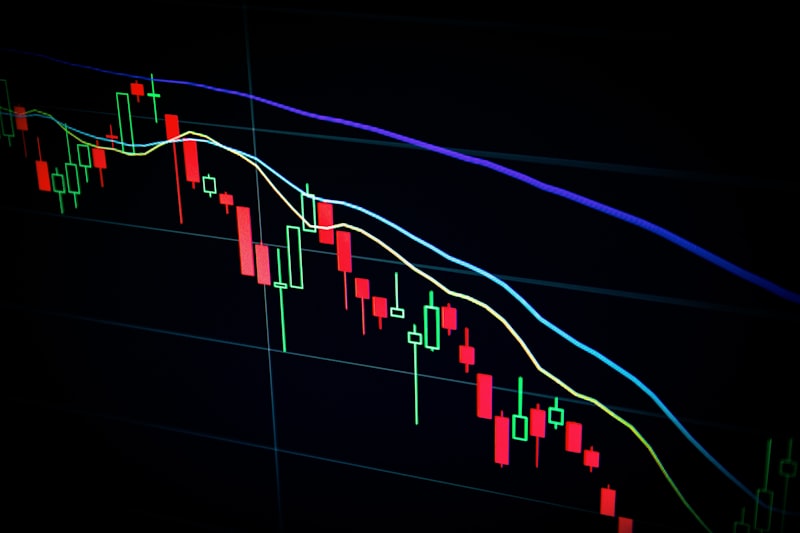
The Tokyo Stock Exchange (TSE) has firmly re-established itself as a global powerhouse, drawing unprecedented interest from international investors. Driven by structural corporate governance reforms, an evolving monetary policy landscape, and deep value opportunities, the TSE in 2026 offers a unique environment for both growth and value-oriented portfolios.
If you are looking to diversify into Asia's premier financial hub, here is an essential breakdown of the trends shaping the Japanese market today.
Corporate Governance Transformation: The TSE’s ongoing push for companies to improve capital efficiency, boost return on equity (ROE), and eliminate cross-shareholdings continues to unlock massive shareholder value through buybacks and dividend hikes.
The Tech and Semiconductor Boom: Japan has rapidly scaled up its domestic chip-making supply chain. The TSE is home to critical global suppliers of semiconductor materials, manufacturing equipment, and advanced robotics.
Shift in Monetary Dynamics: As the Bank of Japan normalizes its interest rate environment, Japanese financial institutions and mega-banks listed on the TSE are seeing healthier net interest margins, drawing renewed attention from value investors.
Focus on the "Prime" Market. The TSE is structured into Prime, Standard, and Growth segments. For international liquidity and the strongest governance standards, stick primarily to the Prime market leaders.
Leverage Global Exporters: Pay attention to automotive, machinery, and electronics giants that generate a vast majority of their revenue outside Japan, benefiting from competitive global positioning.
Watch the Yen’s Trajectory: Currency fluctuations significantly impact net returns for foreign investors. A stabilizing or strengthening Yen can provide an extra tailwind to your portfolio's total return.
Identify Dividend Growth: Look for historically conservative Japanese firms that are actively expanding their payout ratios as a direct result of the exchange's regulatory pressures.