NASDAQ Stock Exchange
Apr 19, 2026
When you hear about companies like Apple, Microsoft, Amazon, or Tesla hitting new financial highs, you are almost always hearing about the NASDAQ.
As the second-largest stock exchange in the world by market capitalization, the NASDAQ is globally recognized as the ultimate launchpad for technology, growth, and forward-thinking innovation. But how does it actually differ from traditional exchanges like the NYSE, and why has it become such a massive force in modern investing? Let’s break it down.
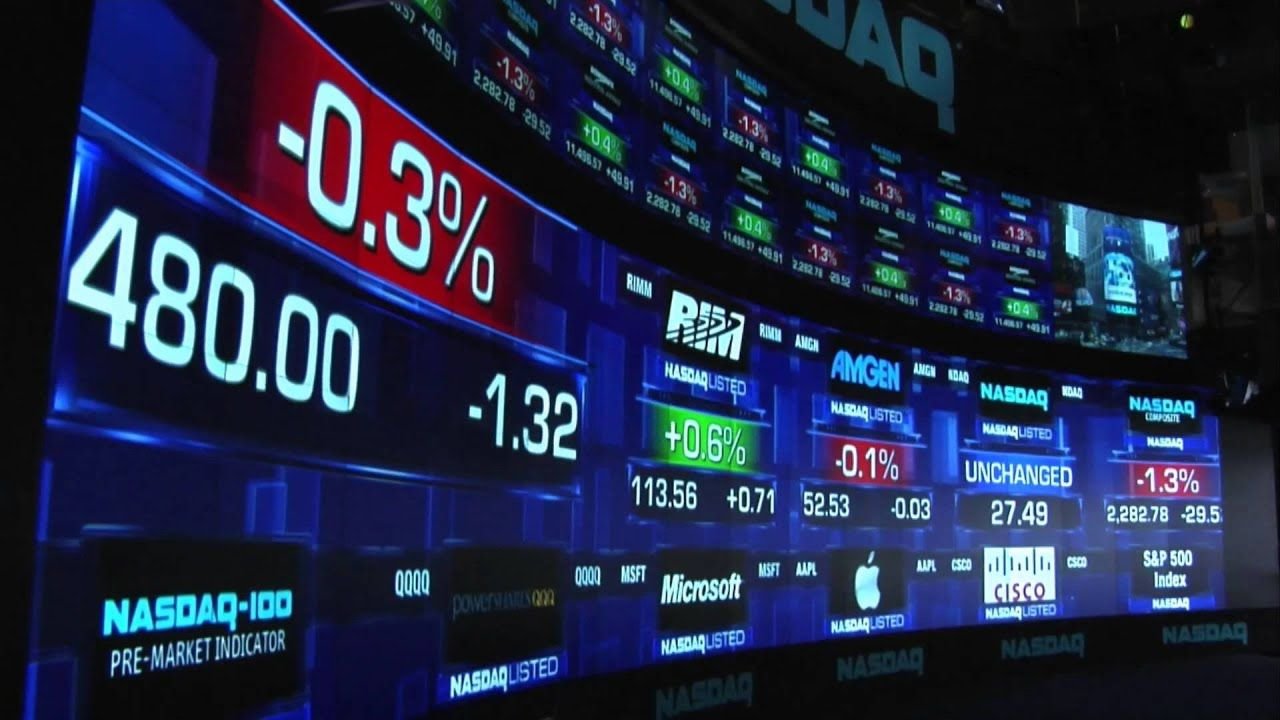
Suggested Image Alt Text (SEO): NASDAQ MarketSite tower electronic billboard displaying stock charts in Times Square New York
Founded in 1971 by the National Association of Securities Dealers (NASD), NASDAQ originally stood for the National Association of Securities Dealers Automated Quotations.
Its biggest claim to fame at launch was a revolutionary one: it was the world’s first electronic stock market.
Unlike the historic New York Stock Exchange, which relied on a chaotic, physical trading floor packed with shouting brokers, the NASDAQ was built from day one to operate entirely via a computerized network of buyers and sellers. Because it lacked a physical floor, it naturally attracted young, disruptive companies—particularly in the computing and tech sectors—that valued digital efficiency.
The NASDAQ operates as a dealer market (specifically, an over-the-counter or OTC market). This is fundamentally different from the auction market style of the NYSE.
On the NASDAQ, when you buy or sell a stock, you aren't trading directly with another individual investor. Instead, you are trading through a Market Maker. Market Makers are tech-driven financial institutions that hold a pool of shares in specific stocks. They constantly display the prices at which they are willing to buy (the bid) and sell (the ask), ensuring that trading remains seamless and lightning-fast.
While both are financial giants based in New York City, they have completely different cultures and structures:
| Feature | NASDAQ | NYSE |
|---|---|---|
| Trading Style | 100% Electronic | Hybrid (Electronic + Physical Floor) |
| Market Type | Dealer Market | Auction Market |
| Core Sector Focus | Technology, Biotech, Internet, Growth | Industrials, Finance, Consumer Staples, Blue-Chips |
| Ticker Symbols | Traditionally 4 letters (e.g., AAPL, MSFT) | Traditionally 1 to 3 letters (e.g., T, KO, F) |
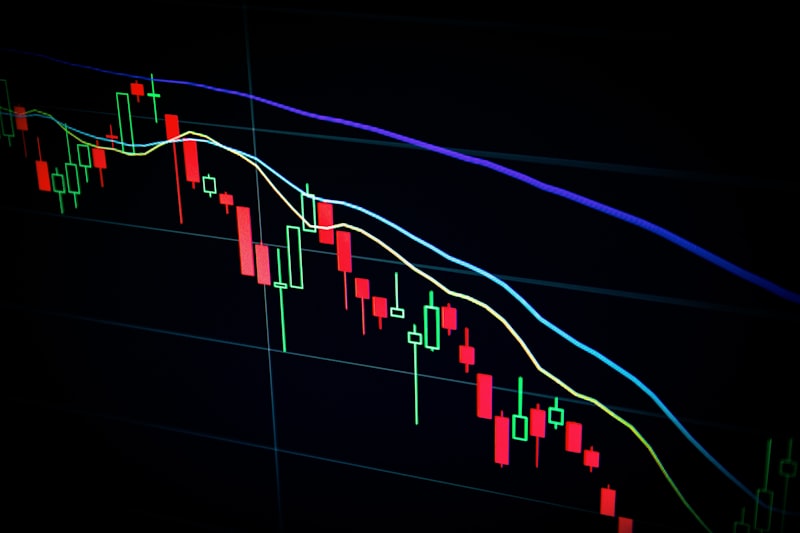
Suggested Image Alt Text: Tech stock market data analytics on computer screen showing NASDAQ tickers
When news anchors say "the NASDAQ is up today," they are usually referring to one of two major benchmark indices:
This index tracks every single company listed on the NASDAQ exchange (more than 3,000 businesses). Because the exchange is heavily skewed toward tech and biotech, this index is considered the ultimate health check for the global tech sector and high-growth companies.
This is an elite index tracking the 100 largest non-financial companies listed on the exchange. It includes international powerhouses across technology, retail, healthcare, and media, but explicitly excludes banks and financial institutions.
If your investment strategy focuses on growth and disruption, the NASDAQ is your playground. The companies listed here tend to reinvest their earnings heavily into Research & Development (R&D) to build the future—whether that means artificial intelligence, electric vehicles, or cutting-edge pharmaceuticals.
While NASDAQ stocks can experience higher volatility and bigger price swings during economic downturns, they have historically offered incredible long-term rewards for investors looking to capture the upside of global innovation.