Bitcoin: The Digital Gold of the Modern Economy
Apr 19, 2026
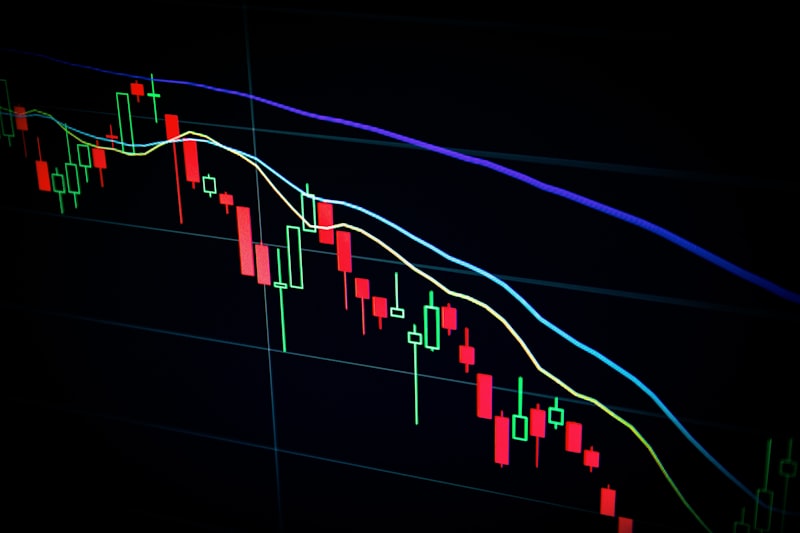
If traditional stock exchanges like the NYSE and NASDAQ are the pillars of the legacy financial system, Bitcoin (BTC) is the blueprint for its decentralized future. Launched in 2009 by an anonymous creator named Satoshi Nakamoto, Bitcoin is the world’s first and largest cryptocurrency.
Today, it has transcended its origins as an experimental digital currency to become a multi-billion-dollar institutional asset class, often referred to as "Digital Gold."
Unlike fiat currencies (such as the U.S. Dollar or Euro) which are controlled by central banks, Bitcoin operates on a decentralized, peer-to-peer network.
Here are the structural fundamentals that define Bitcoin:
The Blockchain: Bitcoin transactions are verified by a global network of computers (miners) and permanently recorded on a public, immutable ledger called the blockchain. This eliminates the need for intermediaries like banks.
Absolute Scarcity: There will only ever be 21 million Bitcoins in existence. This hard cap makes Bitcoin inherently deflationary, contrasting sharply with fiat currencies that can be printed indefinitely.
The Halving Cycle: Approximately every four years, the reward given to Bitcoin miners is cut in half. This process intentionally slows down the rate at which new Bitcoins are introduced to the supply, historically acting as a major catalyst for long-term bull markets.
For over a decade, Bitcoin was heavily driven by retail speculation and notorious for wild volatility. However, the landscape has radically matured. The approval of Spot Bitcoin ETFs (Exchange-Traded Funds) by global regulators has opened the floodgates for massive Wall Street institutions, hedge funds, and pension funds to add BTC directly to their portfolios.
Today, Bitcoin's price action is heavily dictated by institutional capital flows, macroeconomic interest rate shifts, and its growing adoption as a geopolitical hedge.
When analyzing Bitcoin's market health, smart investors look beyond just the current price sticker:
Bitcoin Dominance: This metric measures Bitcoin's market cap as a percentage of the total cryptocurrency market cap. High dominance usually indicates investors are fleeing riskier "altcoins" for the safety of Bitcoin.
ETF Net Inflows/Outflows: Tracking how much capital institutional investors are pouring into or pulling out of Spot Bitcoin ETFs on a weekly basis has become a primary indicator of short-to-medium-term price momentum.
<blockquote><strong>Quick Investor Tip:</strong> Because Bitcoin has a relatively low long-term correlation to the traditional stock market, many financial advisors view it as an excellent portfolio diversifier. However, it still carries higher volatility than blue-chip stocks. Many investors utilize <strong>Dollar-Cost Averaging (DCA)</strong>—buying a fixed fiat amount at regular intervals—to smooth out these sharp price swings.</blockquote>
Depending on your risk tolerance and technical comfort level, there are a few primary ways to invest:
Spot Bitcoin ETFs: The easiest route for stock market investors. You can buy shares of Bitcoin ETFs directly through standard brokerage accounts (just like buying shares of Apple or an index fund) without needing to manage digital wallets.
Crypto Exchanges: Platforms like Coinbase, Kraken, or Binance allow you to purchase actual Bitcoin. This gives you the option to withdraw the asset and hold it securely in your own private "cold storage" hardware wallet.
Proxy Stocks: You can gain indirect exposure by investing in publicly traded companies heavily tied to the Bitcoin ecosystem, such as MicroStrategy (which holds massive Bitcoin reserves) or public crypto mining companies like Marathon Digital.
Bitcoin has fundamentally shifted how the world defines money, property, and scarcity. Whether you view it as a speculative tech asset or a revolutionary store of value, it has earned an undeniable, permanent spot on the global financial stage.
.png)