NYSE Faces Volatility as Markets React to Economic Signals!
Apr 19, 2026
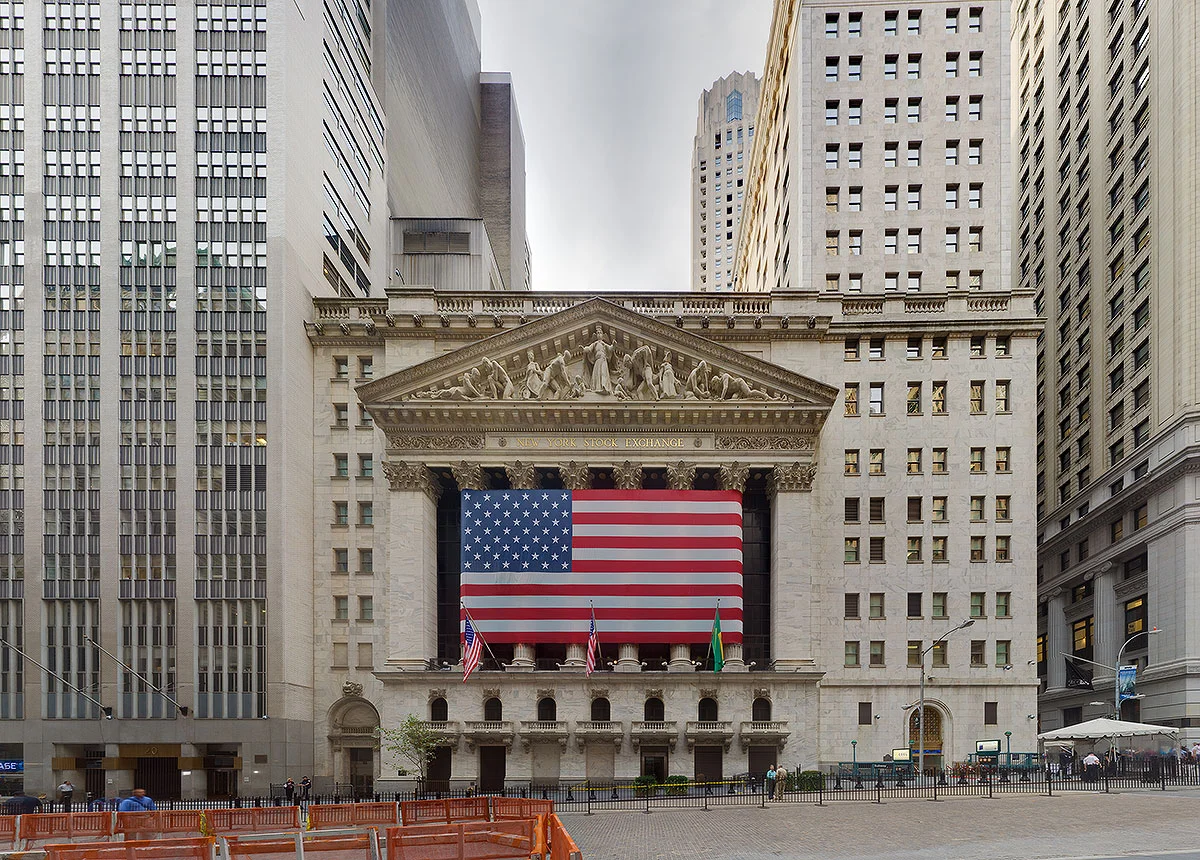
The New York Stock Exchange (NYSE), often referred to as the "Big Board," is the absolute powerhouse of global finance. Located at 11 Wall Street in Lower Manhattan, it represents the heartbeat of the financial world. Whether you are a seasoned investor or just starting out, understanding how the NYSE operates is crucial to navigating the stock market.
In this guide, we will break down what the NYSE is, how it works, and why it matters to your portfolio.
Suggested Image Alt Text: New York Stock Exchange NYSE building facade Wall Street
Founded way back in 1792 under the famous Buttonwood Agreement, the NYSE is the world's largest stock exchange by market capitalization. It is home to some of the most iconic, blue-chip companies in history—think Coca-Cola, Walmart, and JPMorgan Chase.
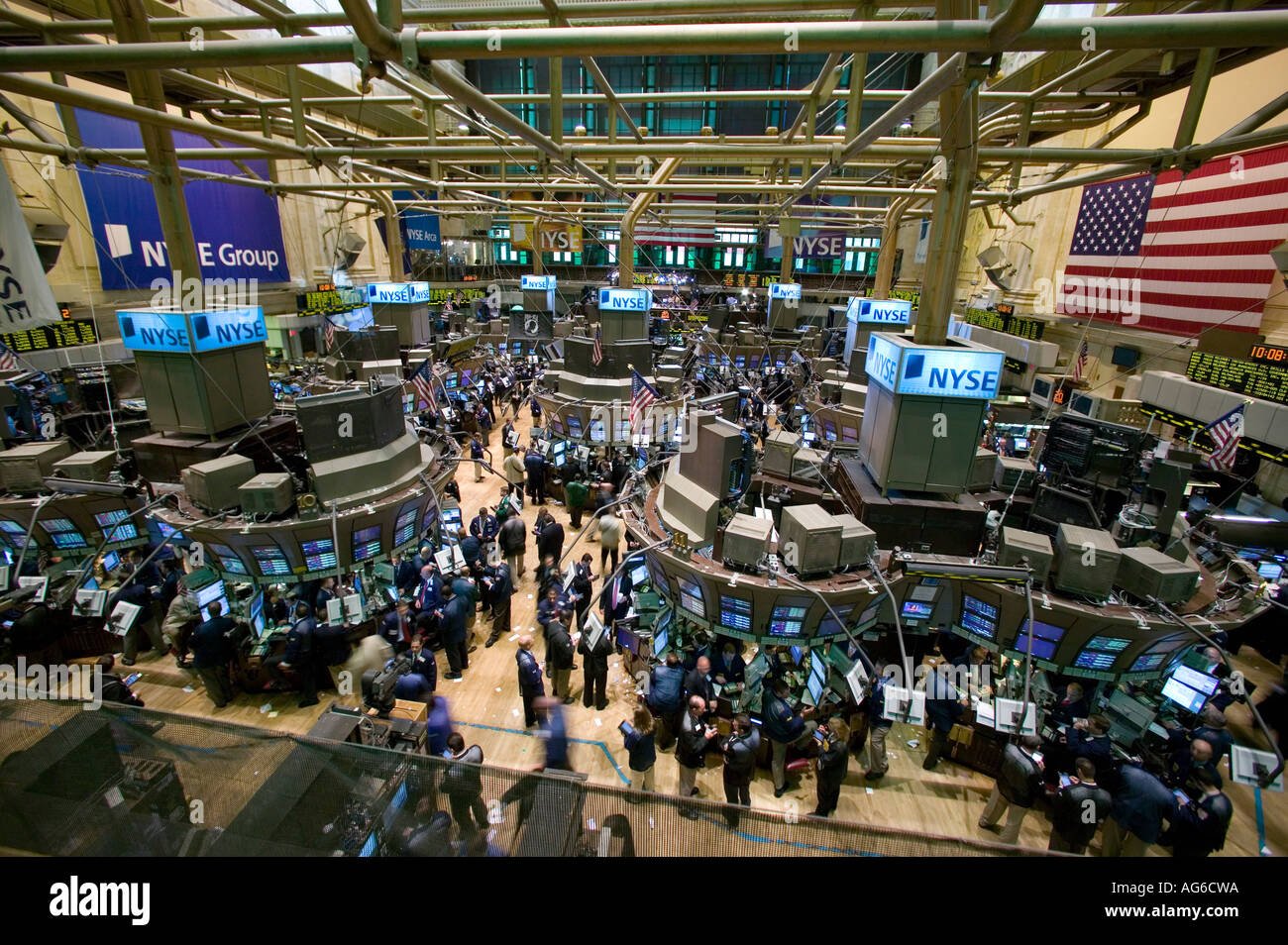
Unlike newer, purely electronic exchanges, the NYSE is famous for its hybrid model. It combines cutting-edge electronic trading with traditional, human-led floor trading.
The Trading Floor: While most trading happens digitally today, the physical floor is still utilized by Designated Market Makers (DMMs) to maintain orderly markets.
Listing Requirements: The NYSE has incredibly strict financial and regulatory requirements. Companies must meet high standards of profitability, size, and share value to be listed here.
The Opening and Closing Bells: The ringing of the NYSE bell at 9:30 AM and 4:00 PM EST marks the official start and end of the North American trading day.
Suggested Image Alt Text: Traders on the NYSE floor surrounded by stock market financial screens
The NYSE operates as an auction market. This means buyers and sellers submit bids and asks simultaneously.
The Bid: The highest price a buyer is willing to pay for a stock.
The Ask: The lowest price a seller is willing to accept for a stock.
When a bid and an ask match, a transaction occurs. To keep things running smoothly, Designated Market Makers (DMMs) step in. They are individuals on the floor assigned to specific stocks whose job is to buy or sell when there is a temporary shortage of liquidity, preventing wild, irrational price swings.
New investors often confuse the NYSE with the NASDAQ. Here is a quick breakdown of how they compare:
| Feature | New York Stock Exchange (NYSE) | NASDAQ |
|---|---|---|
| Market Type | Auction Market (Hybrid Floor/Digital) | Dealer Market (100% Electronic) |
| Type of Companies | Established, blue-chip, industrial giants | High-growth, technology, and biotech firms |
| Listing Cost | Generally higher | Generally lower |
For everyday investors, the NYSE is a symbol of stability. When you buy a stock listed on the Big Board, you are generally investing in an established company with a proven track record. Monitoring the major indices that track NYSE stocks—like the Dow Jones Industrial Average (DJIA) or the S&P 500—gives you a direct pulse on the health of the global economy.
Ready to start investing? Look up some of your favorite household brands, check their ticker symbols, and see if they call the NYSE home!