NYSE Faces Volatility as Markets React to Economic Signals!
Apr 19, 2026
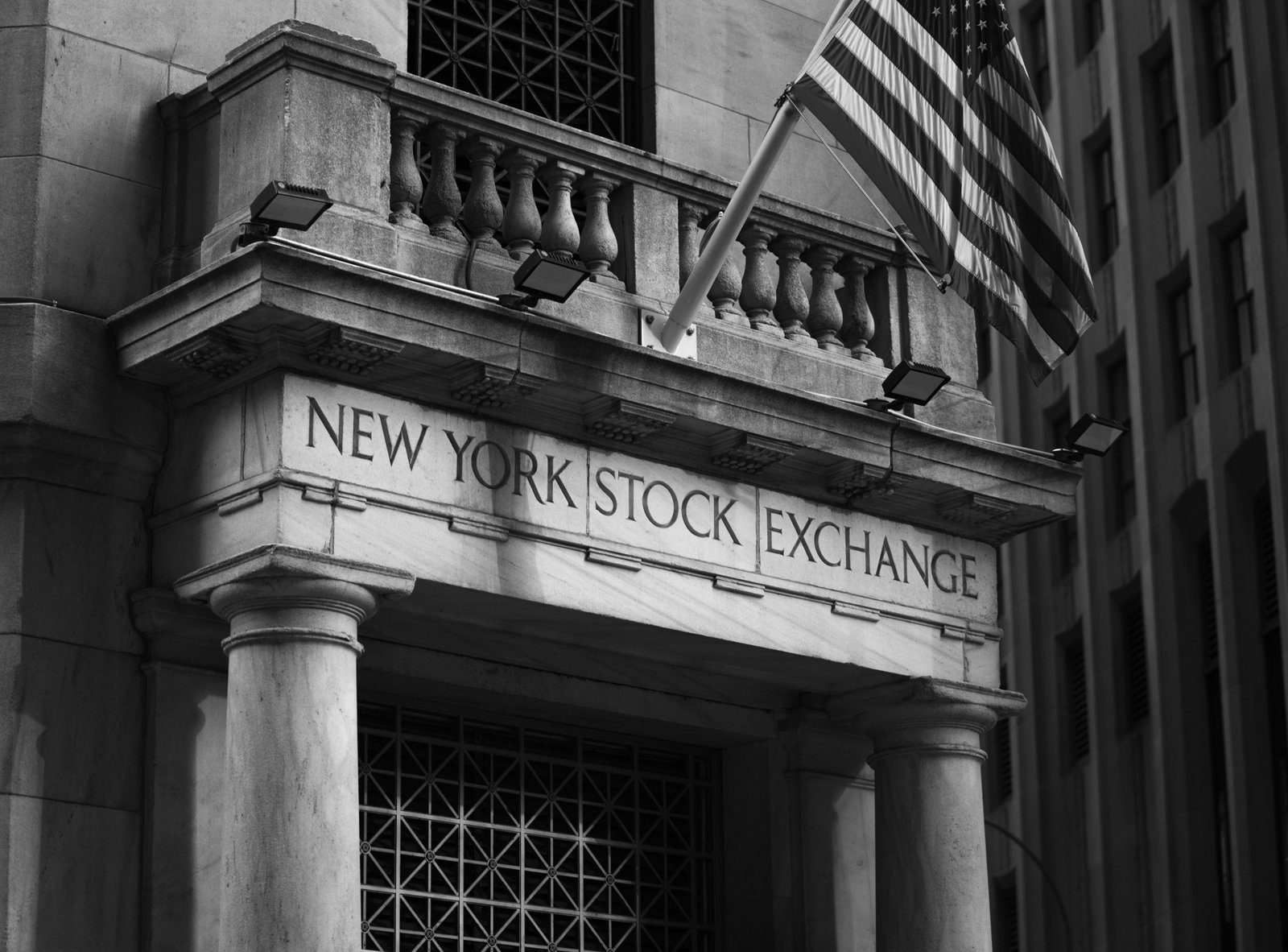
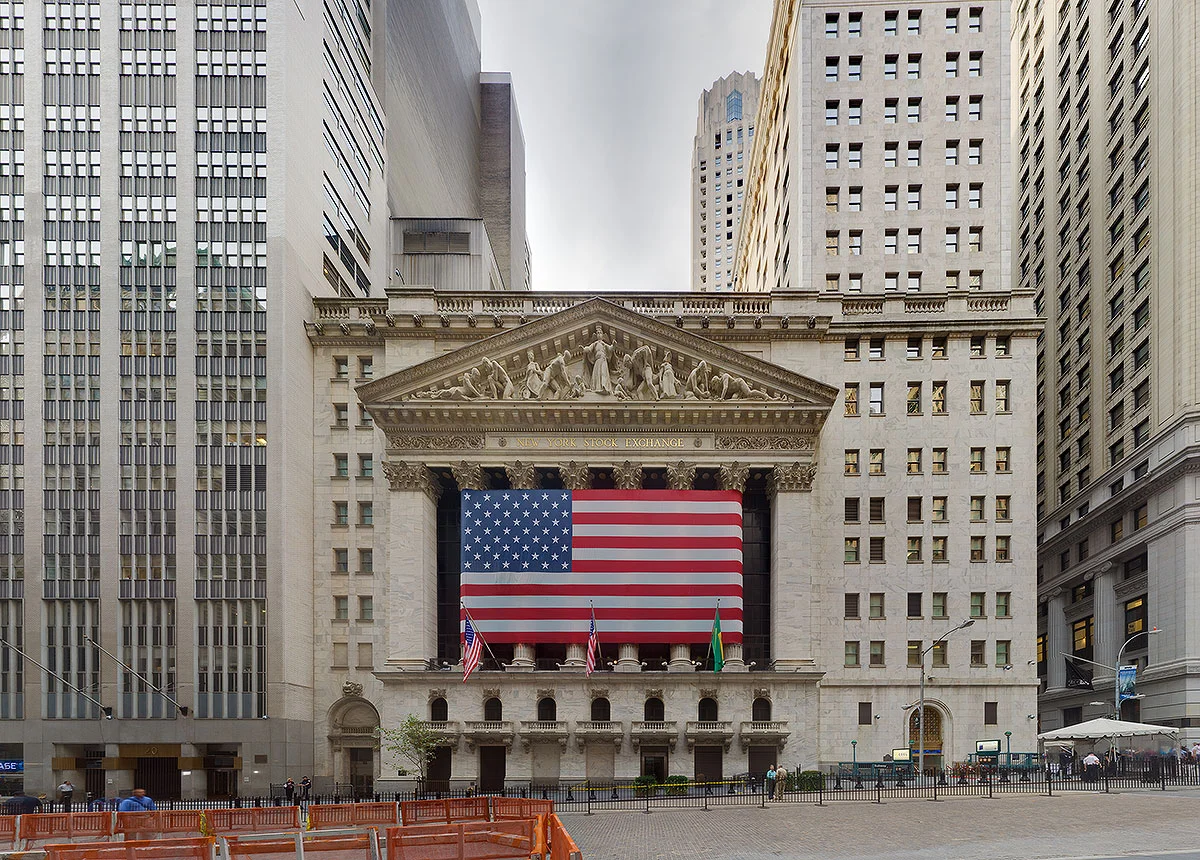
The New York Stock Exchange is one of the largest and most important stock exchanges in the world. Located on Wall Street in New York City, it plays a central role in the global financial system by providing a platform where investors can buy and sell shares of publicly listed companies.
Established in 1792, the NYSE began with the signing of the Buttonwood Agreement by a group of stockbrokers. Over time, it has grown into a powerful institution that lists thousands of companies, including some of the biggest corporations in the world. Today, it is owned by Intercontinental Exchange, a major global financial services company.
The main function of the NYSE is to facilitate trading between buyers and sellers. When a company wants to raise capital, it can list its shares on the exchange through a process called an Initial Public Offering (IPO). Investors then trade these shares, and their prices fluctuate based on supply and demand. When demand for a stock increases, its price rises; when more people sell, the price falls.
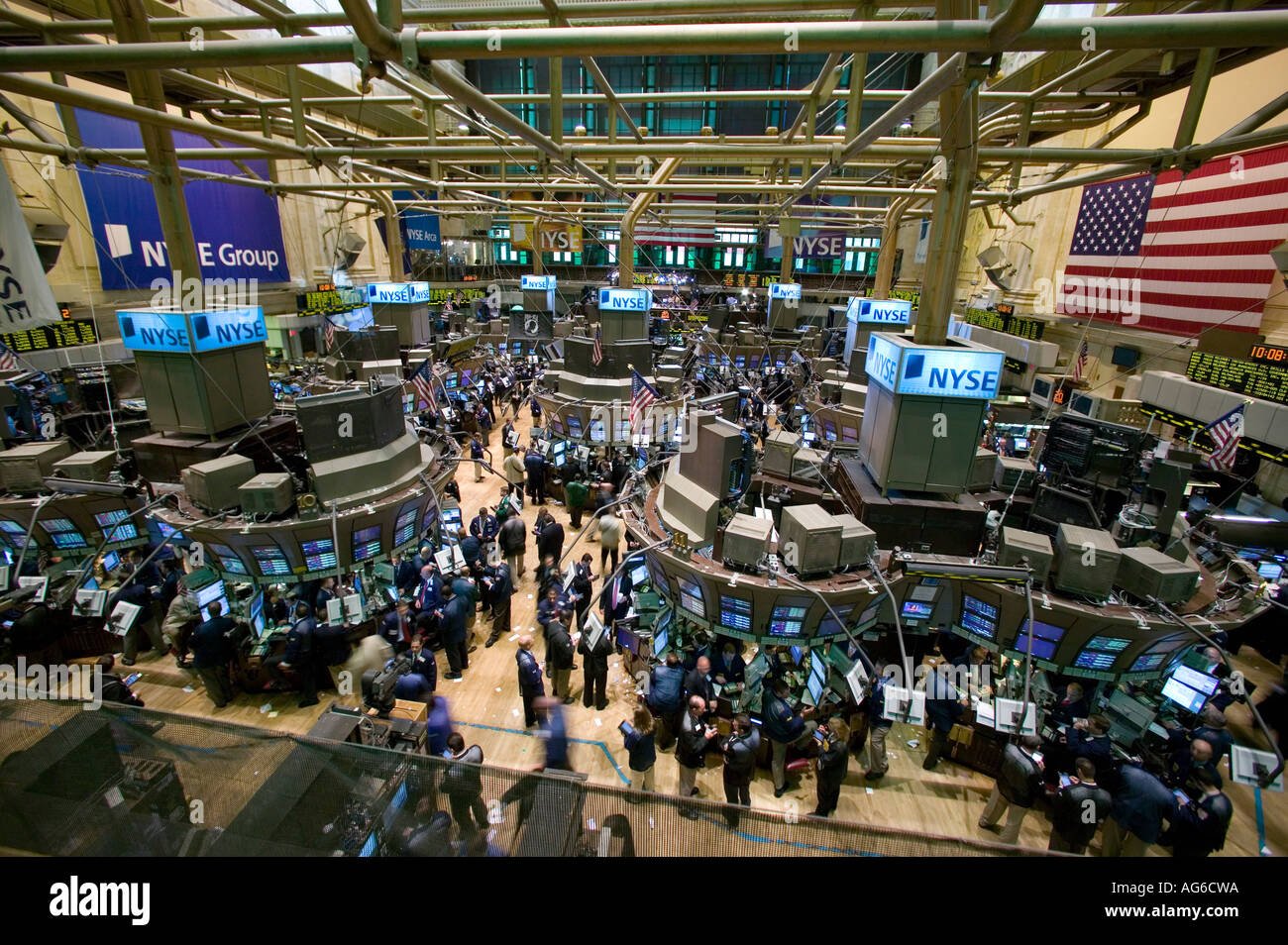
Unlike fully electronic exchanges, the NYSE still uses a hybrid system that combines traditional floor trading with advanced electronic systems. Traders on the floor help manage large transactions and maintain market stability, while most trades are executed electronically for speed and efficiency.
The performance of the NYSE is often measured using market indexes such as the Dow Jones Industrial Average and the S&P 500. These indexes reflect the overall health of the stock market and are closely watched by investors, economists, and governments worldwide.
In conclusion, the NYSE is a vital part of the global economy. It not only allows companies to grow by raising funds but also provides individuals and institutions with opportunities to invest and build wealth. Its influence extends far beyond the United States, affecting financial markets across the globe.