NYSE Faces Volatility as Markets React to Economic Signals!
Apr 19, 2026
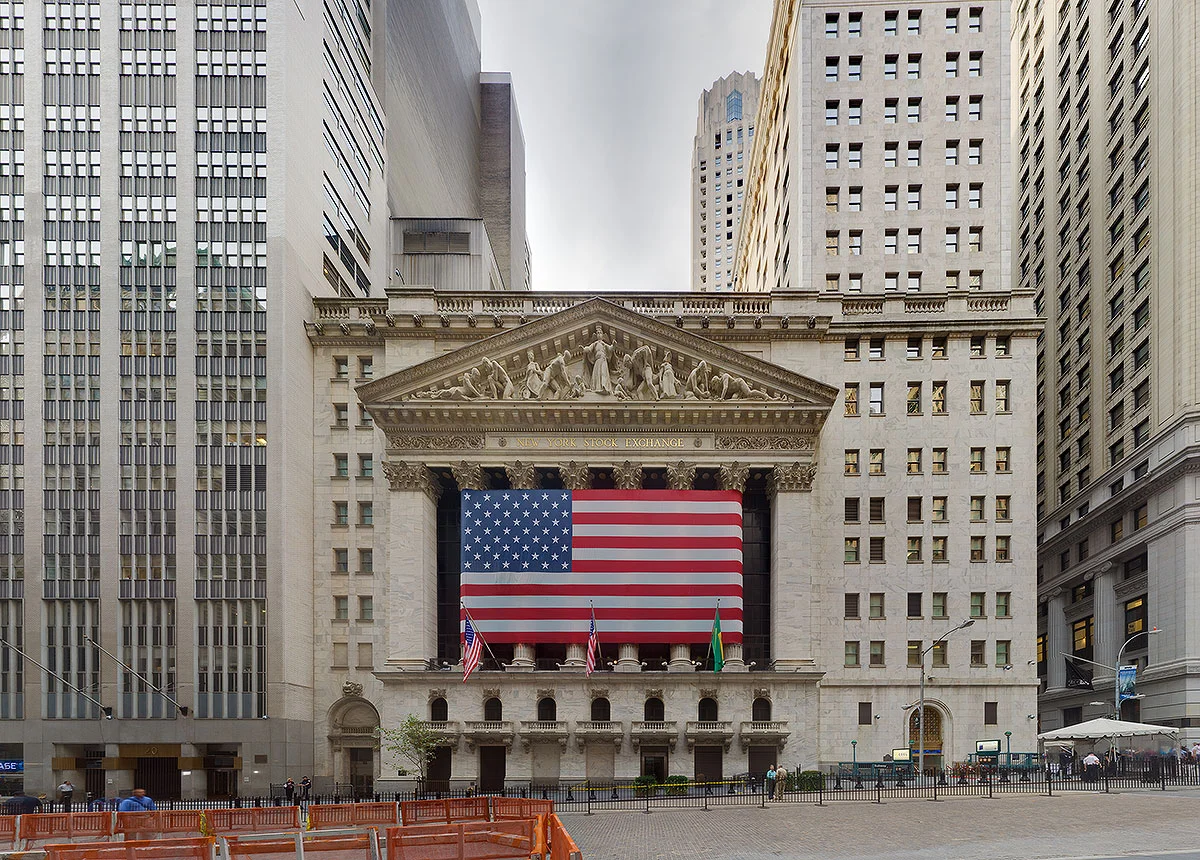
The NYSE is the world’s largest stock exchange by market capitalization and one of the most influential financial institutions globally. Located on the famous Wall Street in New York City, the NYSE has become a symbol of global capitalism, economic growth, and investor confidence.
Founded in 1792, the exchange has evolved from a small gathering of traders under a buttonwood tree into a modern financial marketplace handling trillions of dollars in transactions. Today, companies from around the world list their shares on the NYSE to access capital and attract investors.
The NYSE began with the signing of the Buttonwood Agreement by 24 stockbrokers in 1792. Over time, it expanded rapidly alongside the growth of the American economy. Major industrial giants such as General Electric and Coca-Cola became listed on the exchange, helping establish the NYSE as the leading marketplace for stocks.
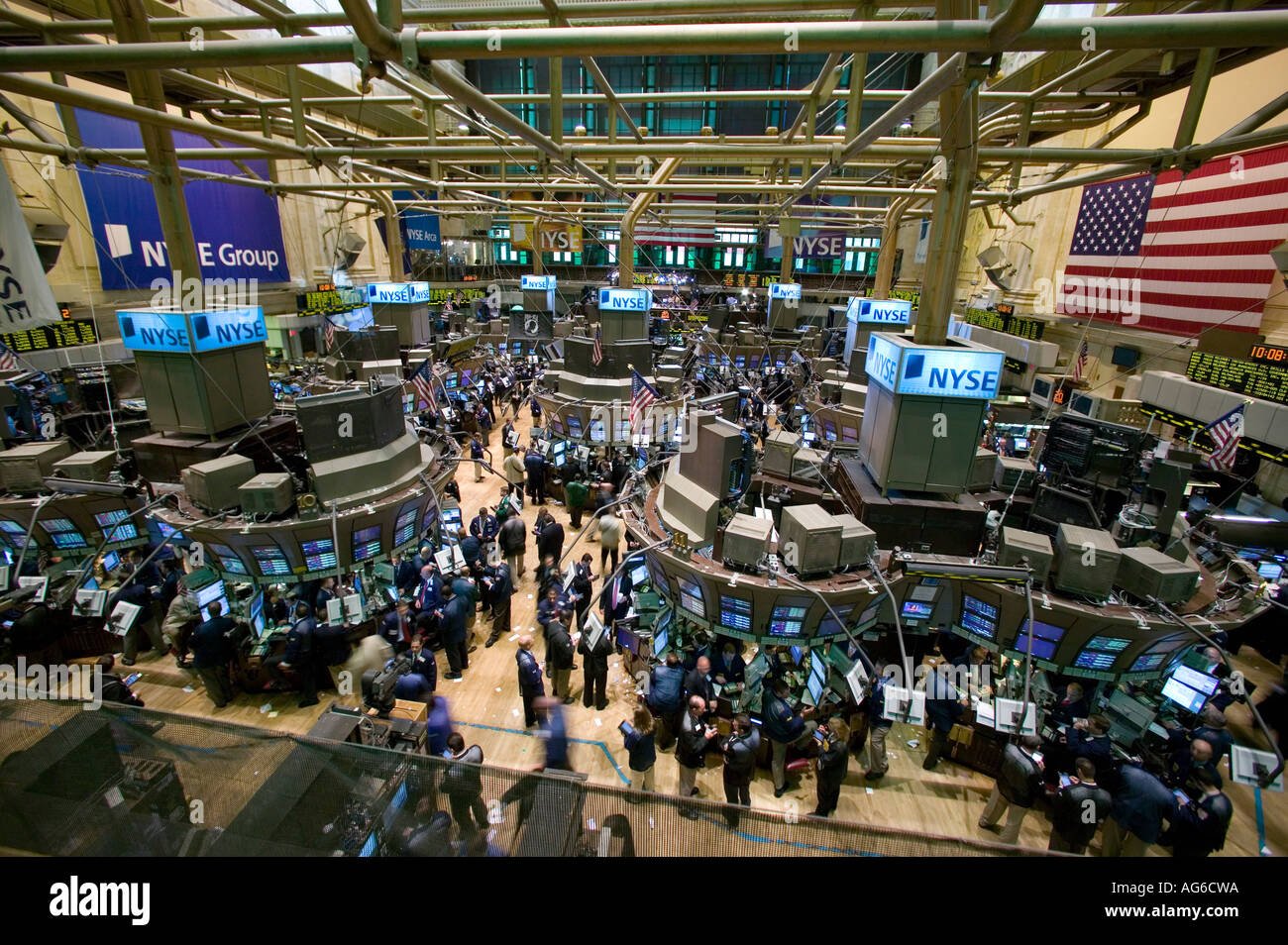
The exchange survived economic crises including the Great Depression, the 2008 financial crisis, and global recessions. Through technological innovation and strict regulations, the NYSE adapted to electronic trading while maintaining its iconic trading floor.
The NYSE operates as an auction market where buyers and sellers trade shares of publicly listed companies. Traders submit bids and offers, and transactions occur when prices match.
Key features include:
Opening and Closing Bells: Famous ceremonies marking the start and end of trading sessions.
Listed Companies: Thousands of corporations trade on the NYSE.
Hybrid Market Model: Combines electronic systems with human market makers.
Strict Listing Standards: Companies must meet financial and governance requirements.
Trading typically occurs Monday through Friday during U.S. market hours.
Some of the biggest corporations listed on the NYSE include:
The Coca-Cola Company
Walmart
IBM
The Walt Disney Company
McDonald's
These companies attract millions of investors worldwide due to their size, stability, and global reach.
The NYSE plays a critical role in the global economy because it:
Helps businesses raise capital
Provides investment opportunities
Reflects economic performance
Supports retirement and pension funds
Influences global financial markets
When major movements happen on the NYSE, markets across Europe, Asia, and other regions often react quickly.
Modern NYSE trading heavily relies on advanced technology. Algorithms, artificial intelligence, and high-speed networks now execute many transactions in milliseconds. Despite this modernization, the physical trading floor remains an iconic symbol of global finance.
The exchange also focuses on cybersecurity and transparency to protect investors and maintain market stability.
While the NYSE offers opportunities for wealth creation, investing carries risks such as:
Market volatility
Economic downturns
Inflation impacts
Company-specific failures
Global geopolitical events
Investors often diversify portfolios to reduce risk and improve long-term returns.
The future of the NYSE may involve greater use of artificial intelligence, blockchain technology, and automated trading systems. Sustainable investing and environmental, social, and governance (ESG) strategies are also becoming increasingly important.
As financial markets continue evolving, the NYSE is expected to remain one of the world’s most trusted and influential exchanges.
The NYSE represents far more than a place to buy and sell stocks. It is a cornerstone of the global financial system and a symbol of economic progress. From historic trading floors to cutting-edge technology, the NYSE continues shaping the future of investing and international business.
Whether you are a beginner investor or a financial enthusiast, understanding the NYSE provides valuable insight into how global markets operate and why they matter in everyday life.