Non-Fungible Tokens (NFTs) – Redefining Digital Ownership Through Blockchain Technology and Unique Digital Assets
Apr 20, 2026
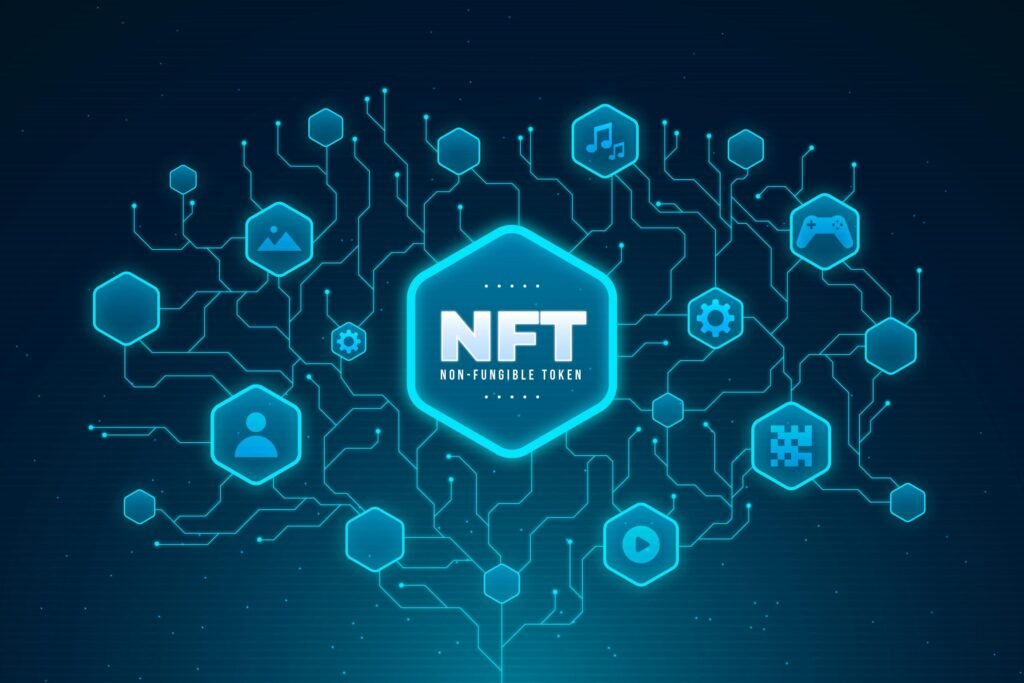
The rise of blockchain technology introduced a new way to own digital content online — Non-Fungible Token, commonly known as NFTs.
NFTs transformed digital ownership by allowing people to buy, sell, and verify unique digital assets using blockchain technology. From digital art and music to gaming items and virtual real estate, NFTs became one of the most talked-about innovations in the world of Web3 and cryptocurrency.
They represent a major shift in how creators, collectors, gamers, and investors interact with digital content.
Non-Fungible Token are unique digital assets stored on a blockchain.
The term “non-fungible” means the item is unique and cannot be replaced by something identical.
Unlike cryptocurrencies such as Bitcoin or Ethereum, where every coin has equal value, each NFT is distinct.
NFTs can represent:
Digital artwork
Music
Videos
Gaming items
Virtual land
Collectibles
Membership access
NFTs use blockchain technology to verify ownership and authenticity.
Most NFTs are created on blockchain networks such as:
Ethereum
Solana
Polygon
Blockchain records ensure NFTs cannot easily be duplicated or altered.
NFTs allow creators and buyers to prove ownership of digital content.
Artists and creators can sell work directly to audiences without intermediaries.
Ownership history is publicly recorded on blockchain networks.
NFTs became part of the larger decentralized internet movement.
| Category | Examples |
|---|---|
| Digital Art | Blockchain-based artwork |
| Gaming Assets | In-game items & skins |
| Music NFTs | Digital albums & songs |
| Virtual Real Estate | Metaverse land |
| Collectibles | Profile-picture collections |
NFT technology continues expanding into new industries.
Some NFT collections gained worldwide attention during the NFT boom:
These collections became symbols of online communities and digital culture.
NFTs are commonly bought and sold through online marketplaces.
Popular platforms include:
These marketplaces allow users to trade NFTs globally.
| NFTs | Traditional Digital Files |
|---|---|
| Blockchain ownership verification | Easy to copy |
| Unique digital identity | Unlimited duplication |
| Transferable ownership | No built-in ownership system |
| Smart contract support | Standard file sharing |
NFTs introduced scarcity and ownership into the digital world.
Blockchain gaming became one of the biggest NFT industries.
Players can own:
Characters
Weapons
Skins
Virtual land
In-game economies
NFT gaming aims to give players true ownership of digital assets.
Artists can earn royalties from future sales.
Collectors gain blockchain-verified ownership records.
NFTs may expand into entertainment, gaming, ticketing, and identity systems.
NFTs play a major role in decentralized internet ecosystems.
NFTs also involve substantial risks.
High price volatility
Scams and fake projects
Low liquidity
Copyright disputes
Market speculation
Declining hype cycles
NFT values can rise rapidly but also fall dramatically.
NFTs became closely connected to metaverse projects — virtual online worlds where users own digital assets.
NFT technology may support:
Virtual property ownership
Digital identities
Online communities
Virtual fashion
Interactive gaming economies
The metaverse remains an evolving industry.
New users often begin by:
Learning blockchain basics
Researching projects carefully
Using trusted marketplaces
Managing investment risk
Avoiding hype-driven purchases
Diversified investing strategies may also include traditional investments such as:
VTSAX
VFIAX
VTIAX
VBTLX
FXAIX
Diversification helps reduce overall financial risk.
NFT technology may evolve far beyond digital art.
Potential future uses include:
Event ticketing
Digital identity verification
Real estate tokenization
Educational certificates
Music rights management
Luxury product authentication
As blockchain technology develops, NFTs could become part of everyday digital life.
Non-Fungible Token introduced a new era of digital ownership and creator-focused technology. By combining blockchain security with online creativity, NFTs changed how people buy, sell, and interact with digital assets.
Although the market remains volatile and experimental, NFTs continue influencing gaming, entertainment, Web3, and the future of the internet itself.