Non-Fungible Tokens (NFTs) – Redefining Digital Ownership Through Blockchain Technology and Unique Digital Assets
Apr 20, 2026
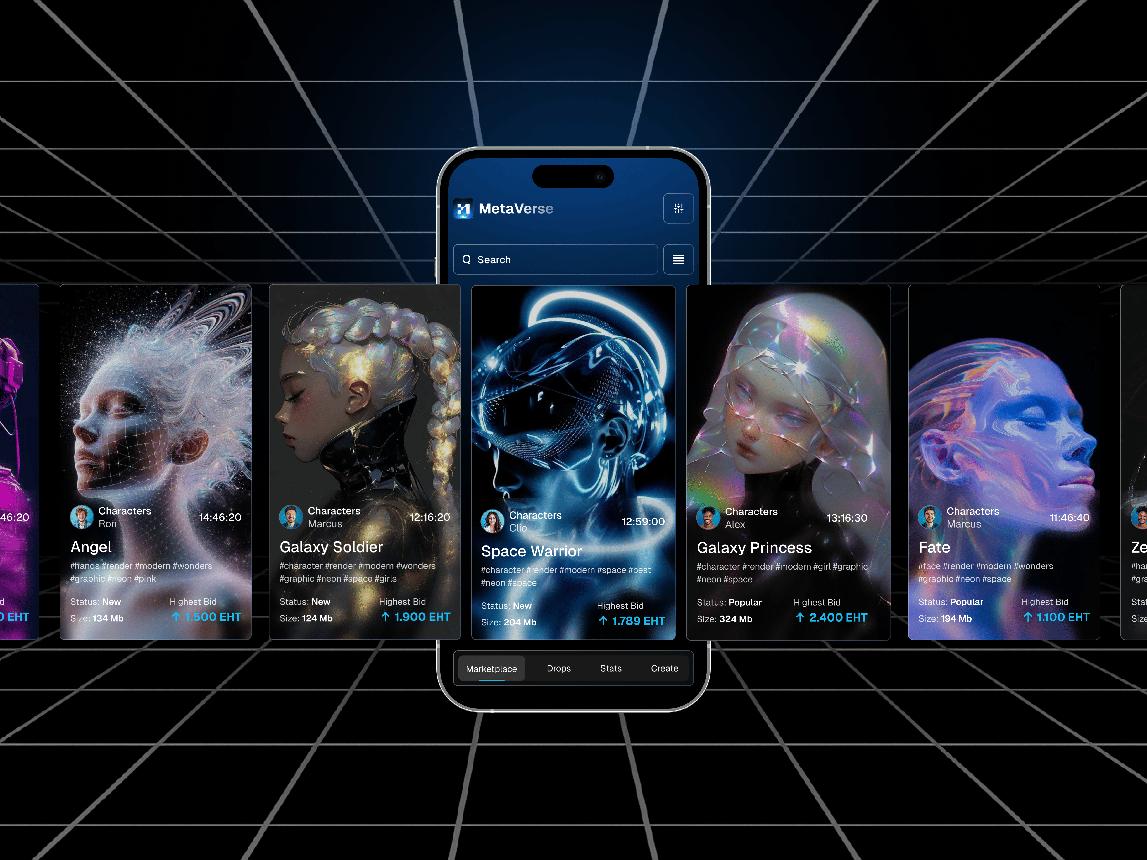
NFTs, or Non-Fungible Tokens, are unique digital assets stored on a blockchain that represent ownership of digital or real-world items.
Unlike cryptocurrencies such as Bitcoin or Ethereum, NFTs are not interchangeable because each NFT has its own unique identity and value.
NFTs became globally popular through digital art, collectibles, gaming assets, music, and virtual worlds.
“Fungible” assets can be exchanged equally.
For example:
One Bitcoin equals another Bitcoin
One dollar equals another dollar
NFTs are different because each token is unique.
An NFT may represent:
Digital artwork
Music
Gaming items
Virtual real estate
Videos
Membership access
Collectibles
Each NFT has unique metadata stored on the blockchain.
Most NFTs are built using blockchain networks that support smart contracts, especially Ethereum.
Smart contracts manage:
Ownership records
Transfers
Royalties
Marketplace transactions
The blockchain provides transparent proof of ownership and transaction history.
NFTs introduced a way to prove ownership of digital content.
Artists and creators can sell digital work directly to audiences without traditional intermediaries.
Some NFT smart contracts automatically pay creators royalties from future sales.
NFTs became important in blockchain gaming and metaverse ecosystems.
Popular NFT marketplaces include:
OpenSea
Blur
Magic Eden
These platforms allow users to buy, sell, and trade NFTs.
NFT technology became popular in gaming because players can own and trade digital items.
Examples include:
Character skins
Virtual land
Weapons
Collectibles
Some blockchain games created entire player-driven economies around NFTs.
NFT technology is expanding beyond collectibles into areas such as:
Event tickets
Music ownership
Identity verification
Real estate tokenization
Brand memberships
Intellectual property rights
Many companies are exploring blockchain-based digital ownership systems.
NFTs experienced explosive growth during 2021–2022, with some collections selling for millions of dollars.
However, the market later experienced major declines due to:
Reduced speculation
Crypto market downturns
Oversupply of projects
Lower investor interest
Despite the slowdown, developers continue building NFT-related technology.
Projects increasingly focus on real-world utility instead of pure speculation. (coindesk.com)
NFTs are increasingly connected with blockchain gaming, AI-generated content, and digital identity systems. (decrypt.co)
Major companies and entertainment brands continue experimenting with NFT loyalty systems and digital collectibles. (reuters.com)
NFTs carry several important risks:
| Risk | Description |
|---|---|
| High Volatility | Prices can rise and fall rapidly |
| Scams | Fake projects and fraud |
| Low Liquidity | Difficult to resell some NFTs |
| Copyright Issues | Ownership confusion |
| Regulatory Uncertainty | Laws still evolving |
Many NFT projects fail or lose value over time.
| Traditional Collectibles | NFTs |
|---|---|
| Physical ownership | Digital ownership |
| Stored physically | Stored on blockchain |
| Limited online verification | Transparent blockchain history |
| Difficult global trading | Instant online transfers |
NFTs aim to digitize ownership and collectibles using blockchain technology.
The future of NFTs may include:
Digital identity systems
Gaming economies
Music royalties
Virtual reality assets
Tokenized memberships
AI-generated collectibles
Some analysts believe NFTs could become infrastructure for broader digital ownership systems.
NFTs introduced a new model for digital ownership and creator economies using blockchain technology. While the market experienced hype, volatility, and corrections, NFTs continue influencing gaming, entertainment, art, and online communities.
As blockchain adoption expands, NFTs may evolve far beyond digital collectibles into a larger part of the future internet economy.