Non-Fungible Tokens (NFTs) – Redefining Digital Ownership Through Blockchain Technology and Unique Digital Assets
Apr 20, 2026
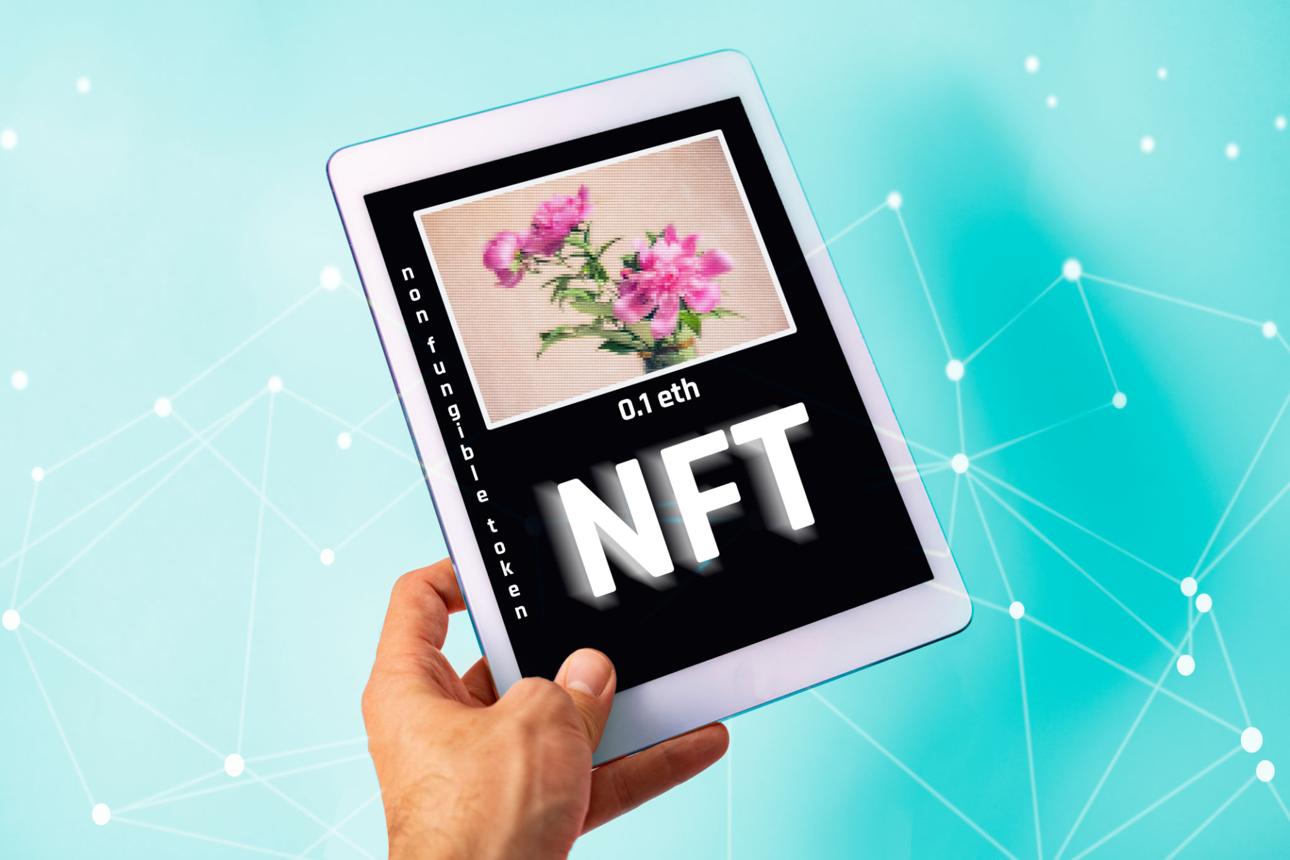
Non-Fungible Tokens, better known as NFTs, are unique digital assets stored on a blockchain that prove ownership and authenticity of digital or physical items.
Unlike cryptocurrencies such as Bitcoin or Ethereum, NFTs are not interchangeable. Every NFT has its own identity, value, and blockchain record.
NFTs became one of the biggest trends in blockchain technology because they introduced true digital ownership to the internet.
NFT stands for Non-Fungible Token.
Means unique and not replaceable.
A blockchain-based digital asset.
For example:
One Bitcoin equals another Bitcoin
One NFT is different from every other NFT
This uniqueness allows NFTs to represent ownership of specific digital items.
NFTs are usually created on blockchain networks like Ethereum.
When an NFT is minted:
Ownership is permanently recorded
Creator information is stored
Transaction history becomes public
The NFT receives a unique blockchain identity
Because blockchain data is decentralized, NFTs are difficult to fake or alter.
NFTs can represent many kinds of assets, including:
Digital artwork
Music
Videos
Gaming items
Virtual real estate
Collectibles
Membership passes
Online identities
This flexibility helped NFTs expand beyond simple art projects.
NFTs exploded in popularity because they solved a major internet problem: proving ownership of digital content.
Before NFTs:
Digital files could be copied endlessly
Ownership was difficult to verify
NFTs introduced:
Digital scarcity
Verifiable ownership
Blockchain authentication
Creator royalties
This created entirely new online markets.
NFT art became one of the biggest drivers of NFT popularity.
Artists gained the ability to:
Sell directly to collectors
Reach global audiences
Earn royalties from resales
Verify authenticity digitally
One famous NFT artist is Beeple, whose work helped bring NFTs into mainstream media attention.
Several platforms became major NFT trading hubs.
Popular marketplaces include:
OpenSea
Blur
Magic Eden
These platforms allow users to buy, sell, and trade NFTs using cryptocurrency.
NFTs became highly important in blockchain gaming and virtual worlds.
In gaming, NFTs can represent:
Character skins
Weapons
Rare collectibles
Virtual land
In the metaverse, NFTs can function as:
Avatars
Clothing
Property ownership
Event access passes
This created new digital economies based on ownership.
Despite their popularity, NFTs also face criticism.
Prices often depend heavily on hype.
Fake projects and stolen artwork are common risks.
NFT values can crash quickly.
Owning an NFT does not always mean owning copyright rights.
Some blockchain networks previously used large amounts of energy.
Many developers believe NFTs could have long-term practical uses.
Possible future applications include:
Ticket verification
Digital identity systems
Real estate records
Academic certificates
Music royalties
Supply chain tracking
NFTs may eventually become infrastructure for digital ownership systems.
Future NFT trends may include:
AI-generated digital assets
Web3 identity integration
Gaming economies
Tokenized real-world assets
Virtual commerce growth
Brand loyalty systems
As blockchain technology evolves, NFTs may move beyond speculation into practical internet infrastructure.
Non-Fungible Tokens introduced a completely new way to think about ownership in the digital world.
By combining blockchain technology with art, gaming, finance, and Web3 systems, NFTs transformed how digital assets are created, traded, and verified online.
Although the NFT market remains highly volatile, the underlying technology continues influencing the future of digital ownership and decentralized internet systems