Non-Fungible Tokens (NFTs) – Redefining Digital Ownership Through Blockchain Technology and Unique Digital Assets
Apr 20, 2026
Non-Fungible Tokens, commonly known as NFTs, became one of the most talked-about innovations in blockchain technology. NFTs introduced a new way to prove ownership of digital items using blockchain networks such as Ethereum.
From digital artwork and gaming items to music and virtual real estate, NFTs transformed how creators and users interact with online assets. In 2026, NFTs continue evolving beyond internet collectibles into industries such as entertainment, gaming, fashion, sports, and digital identity systems.
NFT stands for “Non-Fungible Token.”
Unlike cryptocurrencies such as Bitcoin or Ethereum, which are interchangeable, each NFT is unique and cannot be replaced by another identical token.
NFTs are stored on blockchain networks and can represent ownership of:
Digital artwork
Music
Videos
Gaming items
Virtual land
Collectibles
Membership passes
Because blockchain records ownership publicly, NFTs provide verifiable proof of authenticity and ownership.
NFTs are created through a process called minting.
During minting:
A digital file is uploaded to a blockchain
Metadata is recorded
A unique token is generated
Ownership becomes trackable on-chain
Most NFTs are traded using cryptocurrency wallets and NFT marketplaces.
Blockchain technology helps ensure:
Ownership transparency
Scarcity verification
Secure transactions
Creator royalty systems
NFT popularity exploded because they gave creators and collectors new ways to buy, sell, and monetize digital content.
Key reasons for growth included:
Digital ownership verification
Direct creator monetization
Community-based projects
Online collectibles culture
Integration with gaming and virtual worlds
Some NFT collections became internet phenomena and attracted celebrity attention worldwide.
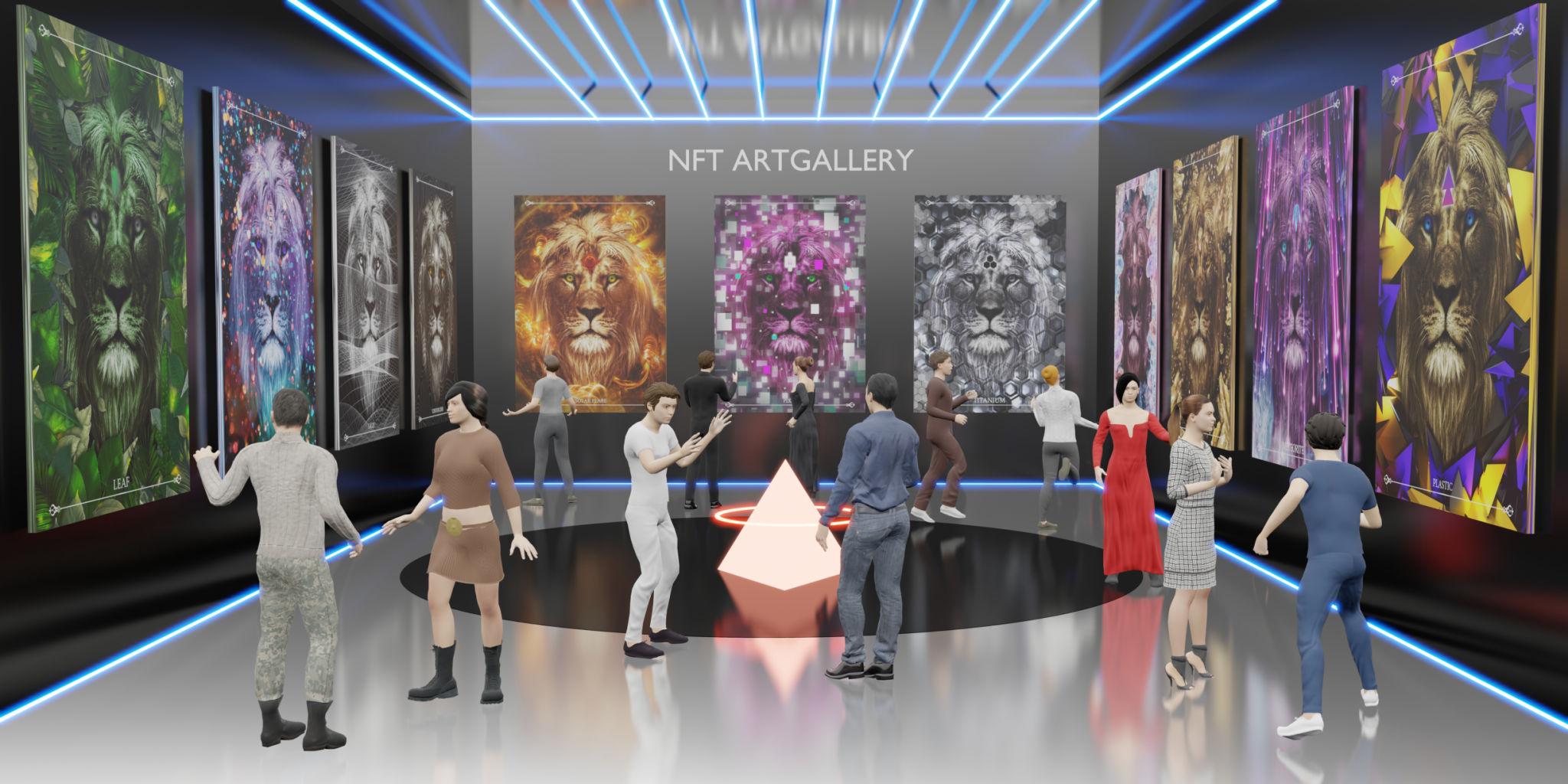
Digital art became one of the most recognized NFT categories.
Artists could sell blockchain-certified artwork directly to collectors without relying entirely on traditional galleries.
Benefits for creators included:
Global audience access
Automated royalty payments
Faster digital sales
Independent publishing opportunities
NFTs helped many digital artists gain mainstream recognition.
Gaming companies and virtual worlds also adopted NFTs.
NFT-based gaming assets can include:
Character skins
Weapons
Virtual land
In-game collectibles
Digital avatars
Supporters believe NFTs could help players truly own digital gaming assets across online ecosystems.
The rise of metaverse platforms further expanded interest in NFT-powered virtual economies.
Despite rapid growth, NFTs also faced criticism and challenges.
Common concerns include:
Market speculation
Copyright disputes
Scams and fraud
Environmental concerns
Volatile prices
Some NFT projects lost significant value during cryptocurrency market downturns, leading investors to become more cautious.
In 2026, NFTs are expanding into practical real-world applications.
Potential uses include:
Event ticketing
Digital identity verification
Music ownership rights
Real estate documentation
Brand loyalty systems
Educational certificates
Many technology companies continue exploring NFT-based infrastructure for future digital economies.
The NFT industry continues evolving as blockchain technology improves.
Future developments may include:
Lower transaction costs
Greater mainstream adoption
Integration with AI systems
Cross-platform digital ownership
Stronger copyright protections
Although hype cycles have changed over time, NFTs remain an important innovation in digital ownership technology.
Non-Fungible Tokens introduced a new model for owning and trading digital content online. By combining blockchain technology with creative industries, NFTs reshaped conversations around art, gaming, identity, and internet economies.
While challenges remain, NFTs continue influencing the future of digital ownership and Web3 innovation in 2026.