Non-Fungible Tokens (NFTs) – Redefining Digital Ownership Through Blockchain Technology and Unique Digital Assets
Apr 20, 2026
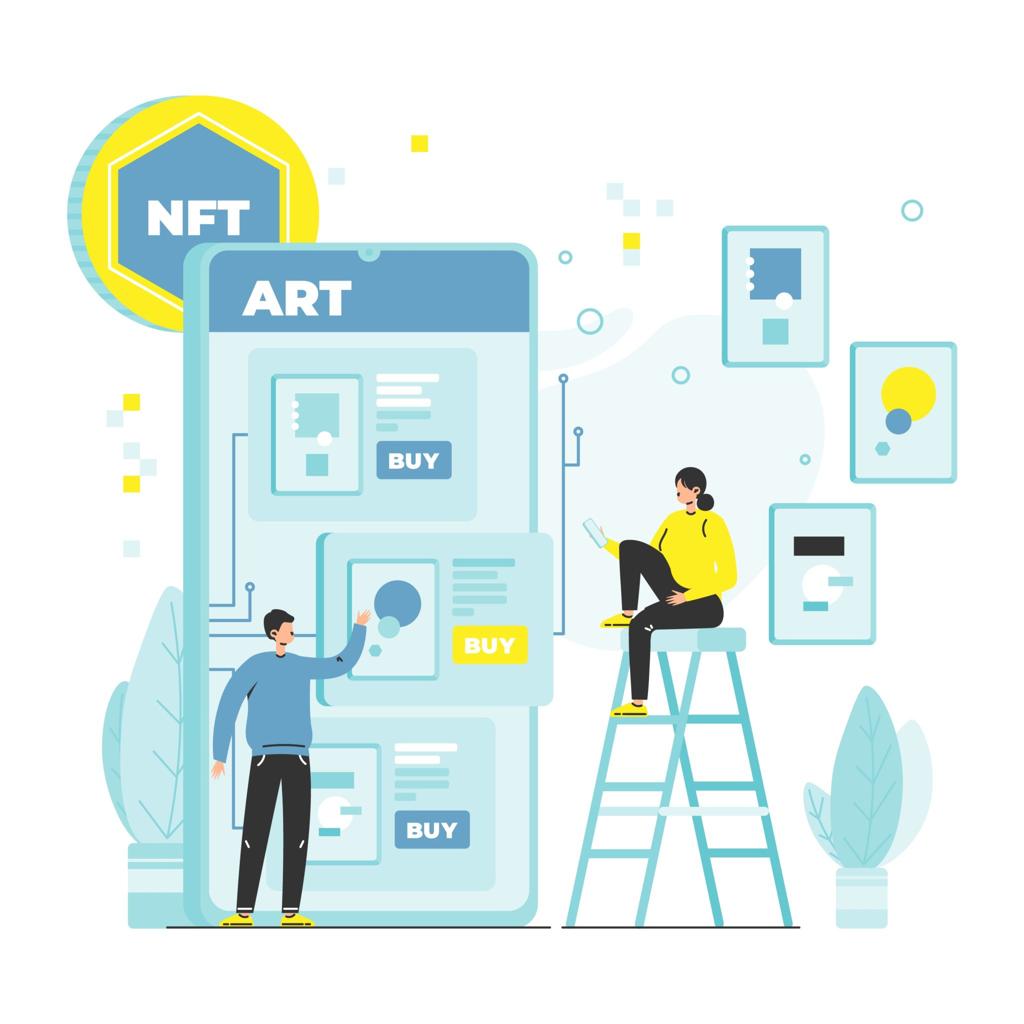
The term Non-Fungible Token refers to a unique digital asset stored on a blockchain that represents ownership of items such as art, music, videos, gaming items, or virtual land. Unlike cryptocurrencies like Bitcoin or Ethereum, each NFT is one-of-a-kind and cannot be exchanged on a one-to-one basis.
NFTs are digital certificates of ownership recorded on a blockchain. They prove that a specific digital item is original and owned by a particular wallet address.
Common NFT assets include:
Digital artwork
Music and albums
In-game items
Virtual real estate
Collectible trading cards
NFTs are created through a process called “minting,” where digital files are turned into blockchain tokens using smart contracts.
Most NFTs are built on blockchain networks such as Ethereum, which supports smart contracts and decentralized applications.
NFTs are important because they:
Enable digital ownership
Provide proof of authenticity
Support creators directly
Power blockchain-based gaming
Expand virtual economies
They have become a major part of the Web3 ecosystem.
Artists can sell unique works directly to buyers without galleries.
NFTs represent characters, weapons, skins, and in-game assets.
Sports highlights, trading cards, and rare items exist as NFTs.
Virtual worlds use NFTs for land, avatars, and digital identity.
NFTs offer several advantages:
True ownership of digital assets
Easy transfer across marketplaces
Support for creators and artists
Transparency through blockchain records
New revenue models for digital content
Despite their popularity, NFTs have risks:
Market speculation and price volatility
Low liquidity in some collections
Scams and fake projects
Environmental concerns (in some networks)
Uncertain long-term value
Integration with gaming ecosystems
Use in ticketing and real-world authentication
AI-generated NFT art
Expansion of metaverse platforms
Stronger regulation and verification systems
NFTs are evolving beyond digital art into broader applications like identity verification, real-world asset tokenization, and digital ownership systems. While speculative hype has cooled, practical use cases continue to grow.
NFTs represent a major shift in how digital ownership works. By using blockchain technology, they allow creators and users to buy, sell, and prove ownership of unique digital assets in a secure and transparent way.