NASDAQ Stock Exchange
Apr 19, 2026
Nasdaq is one of the world’s most important stock exchanges and a global leader in technology-focused investing.
Based in the United States, Nasdaq is famous for listing many of the world’s biggest technology companies, including firms involved in software, artificial intelligence, cloud computing, semiconductors, e-commerce, and digital communication.
Unlike traditional exchanges, Nasdaq became known for its fully electronic trading system, helping modernize global financial markets.
Nasdaq is a stock exchange where investors buy and sell shares of publicly traded companies.
It supports trading in:
Stocks
ETFs
Options
Financial technology products
Nasdaq is especially known for high-growth technology companies and innovation-driven businesses.
Nasdaq was founded in 1971 and became the world’s first fully electronic stock exchange.
This was revolutionary because trading no longer depended entirely on physical trading floors.
Nasdaq helped introduce:
Electronic stock trading
Faster transactions
Digital market systems
Automated investing infrastructure
Over time, it became one of the largest exchanges globally.
Nasdaq plays a major role in global finance because it:
Many advanced technology companies list on Nasdaq.
Investors worldwide track Nasdaq performance.
Tech sector growth strongly impacts the exchange.
Nasdaq helped transform markets into electronic systems.
Many globally recognized technology companies trade on Nasdaq.
Examples include:
Apple
Microsoft
NVIDIA
Amazon
Meta Platforms
These companies heavily influence global stock market performance.
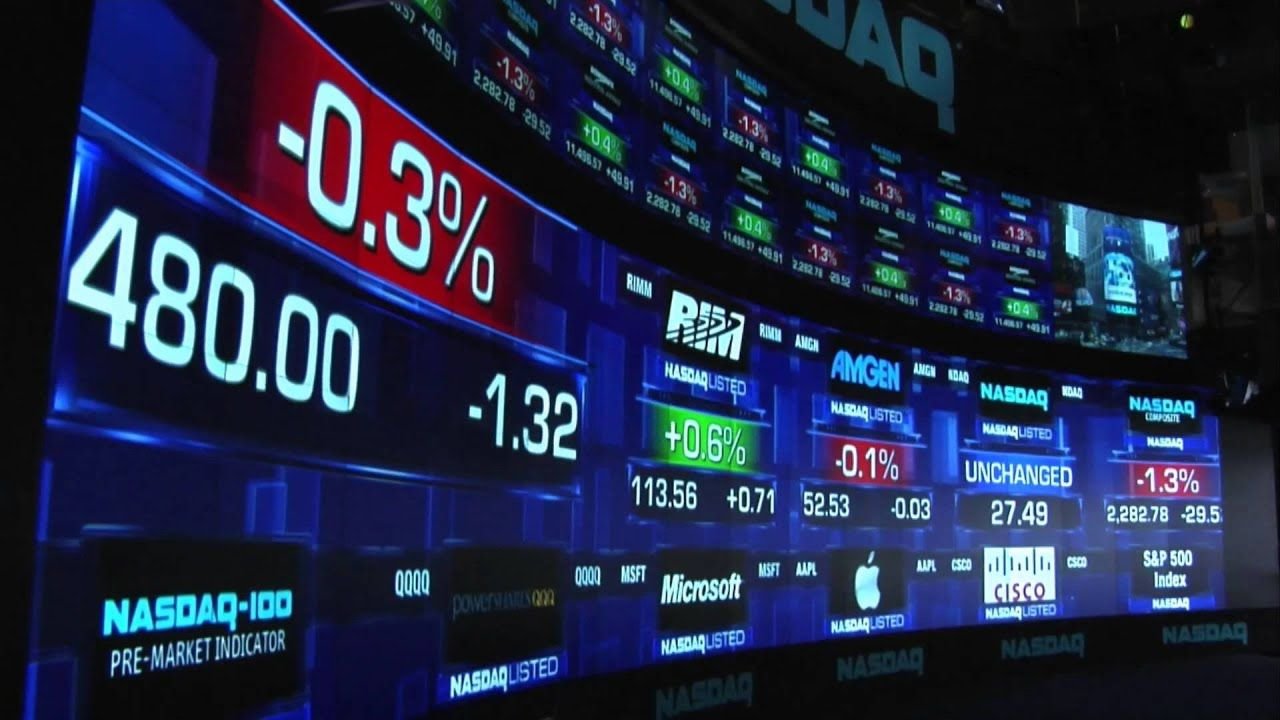
One of the most important market indicators connected to the exchange is the Nasdaq Composite.
The Nasdaq Composite tracks thousands of companies listed on Nasdaq, especially technology businesses.
When technology stocks rise or fall sharply, the Nasdaq Composite often moves dramatically.
Nasdaq is frequently compared with the New York Stock Exchange.
| Nasdaq | NYSE |
|---|---|
| Fully electronic | Hybrid physical + electronic |
| Technology-focused | Broader traditional industries |
| High-growth companies | Older blue-chip firms |
| Innovation-driven | Traditional finance leadership |
Both exchanges are major pillars of the U.S. financial system.
Nasdaq strongly focuses on:
Artificial intelligence
Cloud computing
Fintech systems
Algorithmic trading
Cybersecurity
Digital market infrastructure
Its reputation is closely connected with technological advancement.
Because Nasdaq contains many growth-focused technology companies, it can be highly volatile.
Major risks include:
Rising interest rates
Technology sector slowdowns
AI market bubbles
Economic recessions
Regulatory pressure on tech firms
Technology stocks can rise rapidly during growth periods but also decline sharply during market uncertainty.
Artificial intelligence companies have become major drivers of Nasdaq performance in recent years.
Businesses involved in:
AI chips
Machine learning
Cloud AI services
Data centers
have significantly influenced market growth.
Companies like NVIDIA became especially important during the global AI expansion.
Future trends likely shaping Nasdaq include:
AI-driven industries
Quantum computing
Robotics
Biotechnology innovation
Digital finance systems
Next-generation internet technologies
Nasdaq is expected to remain one of the world’s leading exchanges for innovation-focused companies.
Nasdaq transformed financial markets through electronic trading and became the global center of technology investing.
By hosting many of the world’s most influential tech companies, Nasdaq continues shaping innovation, investment trends, and the future of the global economy.
As technology advances further, Nasdaq is likely to remain at the heart of modern financial markets and digital transformation.