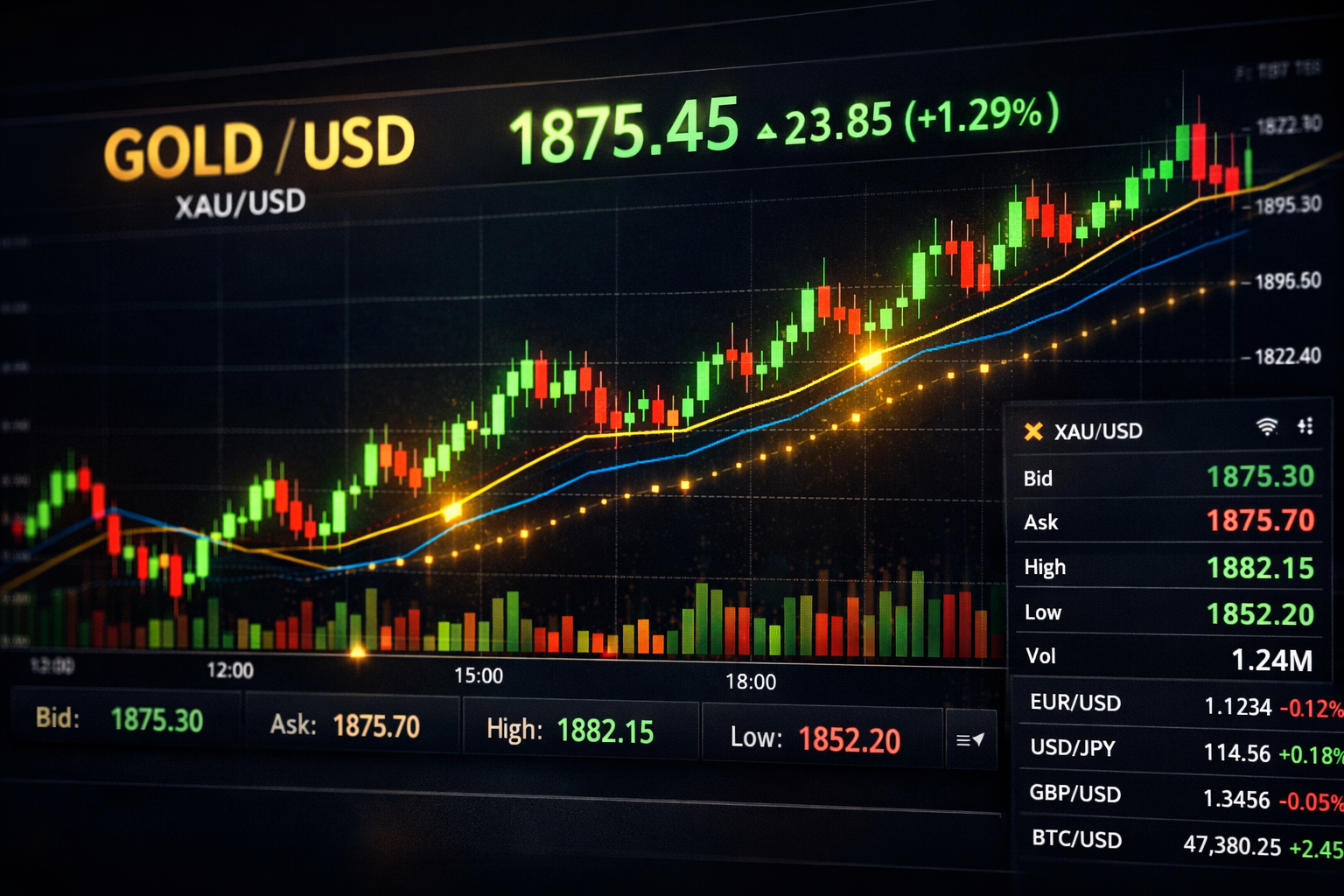
Gold Prices Surge Amid Global Uncertainty as Investors Rush Toward Safe-Haven Assets in 2026 Market Rally
Apr 20, 2026
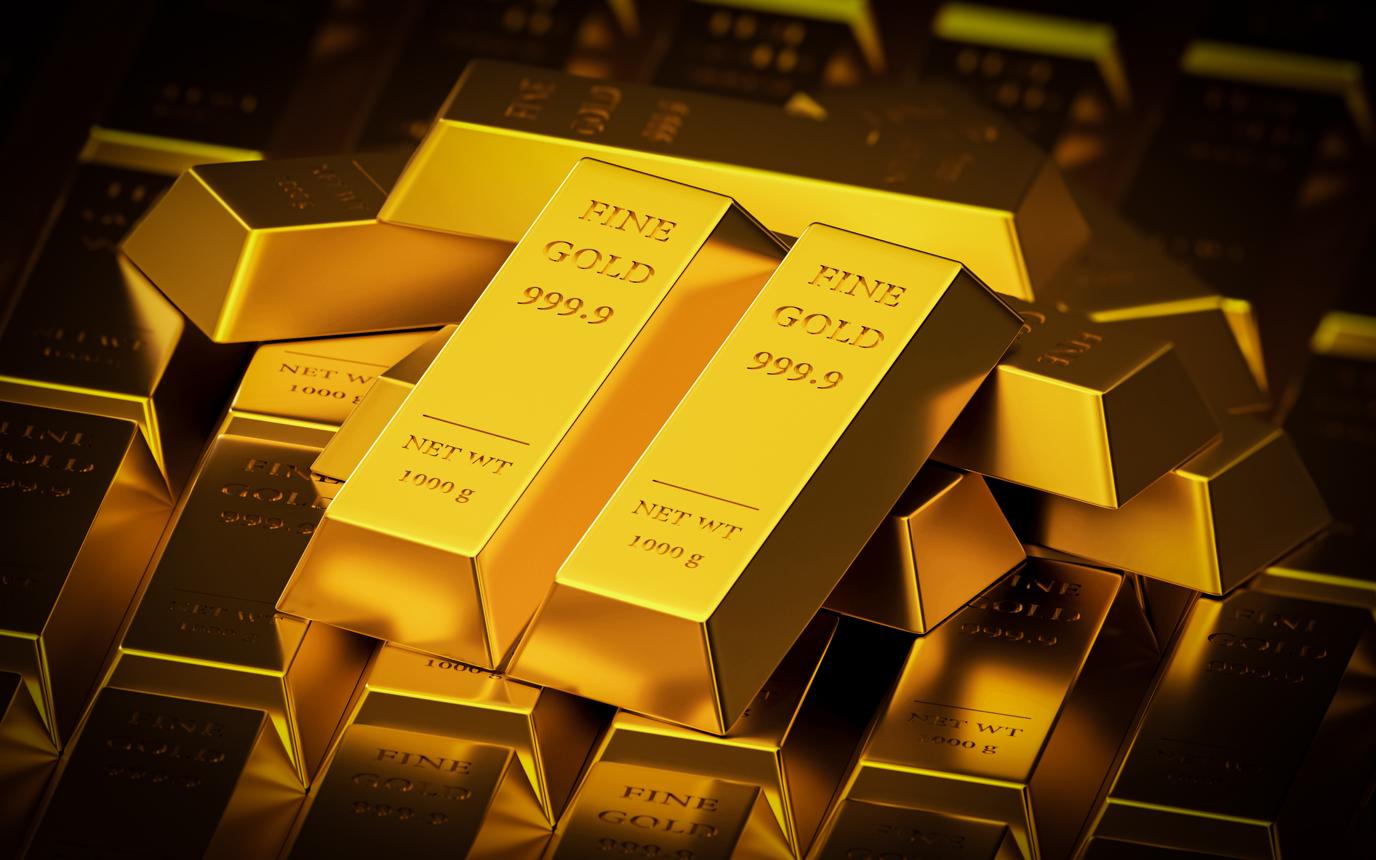
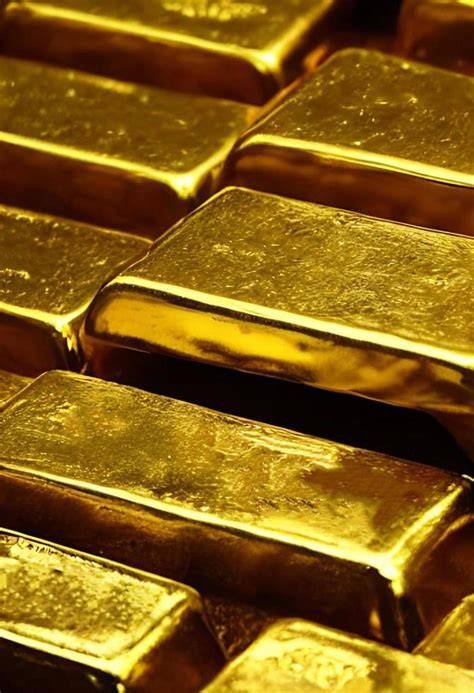
Gold continues to dominate financial headlines in 2026 as investors worldwide closely monitor inflation, interest rates, geopolitical tensions, and central bank policies. Gold remains one of the most important safe-haven assets during uncertain economic periods.
From record-breaking prices to increasing global demand, the gold market continues evolving rapidly.
Gold prices have experienced strong momentum in 2026 due to:
Global economic uncertainty
Inflation concerns
Central bank buying
Currency fluctuations
Safe-haven demand
Many investors are turning toward gold as a hedge against inflation and market volatility.
Central banks across multiple countries continue increasing gold reserves as part of their long-term diversification strategies.
Major reasons include:
Reducing dependence on foreign currencies
Strengthening national reserves
Protecting against economic instability
Increasing confidence in reserve assets
This trend has significantly influenced global gold demand in recent years.
Gold is often viewed as protection against inflation because it tends to maintain value during periods of rising prices and currency weakness.
When inflation increases, investors frequently move capital into:
Gold bullion
Gold ETFs
Mining stocks
Precious metal funds
This relationship continues driving strong interest in gold investments.
Global political tensions and economic instability often increase gold demand because investors seek safer assets during uncertain periods.
Events influencing gold markets include:
International conflicts
Trade disputes
Banking sector concerns
Recession fears
Currency market volatility
Gold historically performs strongly during periods of global uncertainty.
Gold exchange-traded funds (ETFs) continue attracting investor interest because they offer easier access to gold markets without physically storing metal.
Popular gold ETFs include:
SPDR Gold Shares
iShares Gold Trust
These investment products allow traders and long-term investors to participate in gold price movements more conveniently.
Gold mining companies are also benefiting from higher gold prices.
Major mining companies continue expanding exploration and production projects worldwide.
Important industry trends include:
Sustainable mining practices
AI-driven exploration technology
Increased production investments
Environmental regulations
Mining stocks often rise alongside strong gold markets.
The debate between gold and cryptocurrencies remains active in financial markets.
Some investors prefer gold because of:
Long historical value
Lower volatility
Physical ownership
Central bank trust
Others view cryptocurrencies like Bitcoin as digital alternatives to traditional safe-haven assets.
Analysts expect gold markets to remain highly active throughout 2026.
Future factors influencing gold prices may include:
Interest rate decisions
Inflation trends
Global economic growth
Central bank policies
Currency market changes
Long-term demand for gold is expected to remain strong as investors continue seeking portfolio diversification and financial protection.
Gold remains one of the world’s most important financial assets in 2026. Rising prices, central bank demand, inflation concerns, and geopolitical uncertainty continue driving strong global interest in the precious metal.
Whether used for investing, wealth protection, or portfolio diversification, gold continues playing a major role in global financial markets.