Euronext Markets Show Mixed Performance Amid Economic Uncertainty
Apr 19, 2026
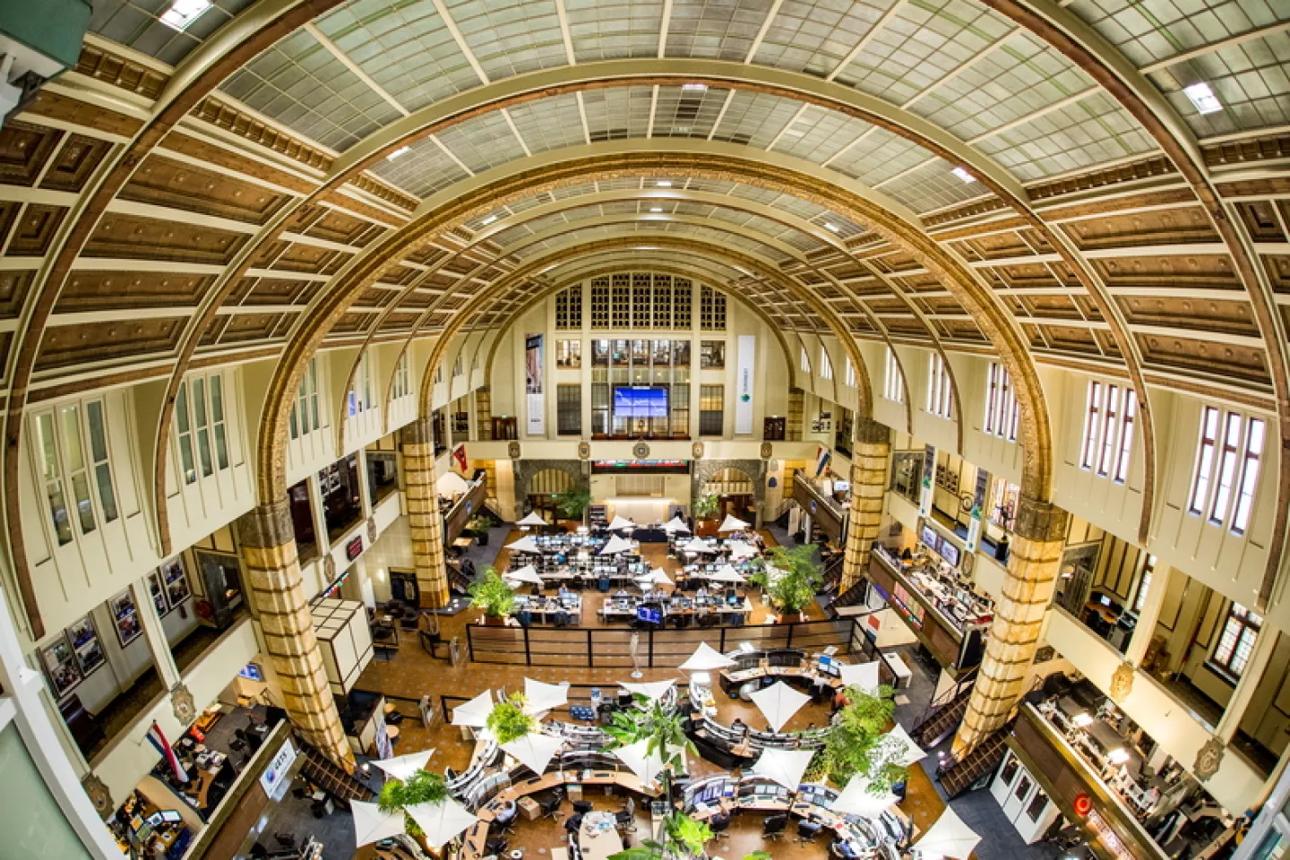
The Euronext is one of the largest stock exchange operators in Europe and a major force in global finance. Headquartered in Amsterdam, Euronext connects multiple European markets into one unified trading network, allowing investors and companies to trade securities across borders efficiently.
Created in 2000 through the merger of several European exchanges, Euronext represents a new era of international financial cooperation. Today, it operates markets in countries including France, the Netherlands, Belgium, Ireland, Portugal, Italy, and Norway. Its influence continues growing as more companies and investors seek access to Europe’s integrated capital markets.
Euronext was formed in September 2000 when the stock exchanges of Paris, Amsterdam, and Brussels merged together. The goal was to create a unified European marketplace capable of competing with large financial centers like the New York Stock Exchange and other global exchanges.
Over time, Euronext expanded further by acquiring additional exchanges, including those in Lisbon, Dublin, Milan, and Oslo. This expansion strengthened its role as a leading financial hub in Europe.
One of the most remarkable parts of Euronext’s history is that it includes the Amsterdam Stock Exchange, considered one of the world’s oldest stock exchanges, dating back to the early 1600s.
Euronext operates electronic trading platforms where investors buy and sell:
Stocks
Bonds
Exchange-traded funds (ETFs)
Commodities
Derivatives
Its unified market structure allows companies from different European countries to access international investors more easily. This creates greater liquidity and helps businesses raise capital for expansion.
Trading on Euronext is highly technology-driven, with advanced systems processing millions of transactions rapidly and securely.
Some of Europe’s most valuable and recognizable corporations are listed on Euronext, including:
LVMH
Airbus
TotalEnergies
Heineken
These companies attract investors worldwide because of their strong global brands and consistent financial performance.
Euronext plays a major role in the European economy by helping businesses raise investment capital and giving investors access to diverse markets. Because it spans multiple countries, it also promotes economic integration across Europe.
Investors follow Euronext closely because European markets can significantly influence:
Global stock trends
Currency markets
Commodity prices
International trade sentiment
Economic decisions made by the European Central Bank and political developments across the European Union often impact Euronext market performance.
Euronext continues investing heavily in technology and innovation. Artificial intelligence, automation, and data analytics are transforming how financial markets operate.
The exchange is also focusing on sustainable investing and green finance. Many companies now seek Euronext listings to raise funds for environmentally friendly projects and renewable energy initiatives.
As financial markets become increasingly digital and interconnected, Euronext is expected to remain one of the most influential exchange groups in the world.
The Euronext represents the evolution of modern European finance. By connecting multiple countries into one integrated marketplace, it has created new opportunities for investors, corporations, and economies across Europe.
From historic trading roots to cutting-edge digital innovation, Euronext continues shaping the future of global investing while strengthening Europe’s position in the international financial system.