Decentralized Finance (DeFi) – Transforming Traditional Banking Through Blockchain and Smart Contract Technology
Apr 20, 2026
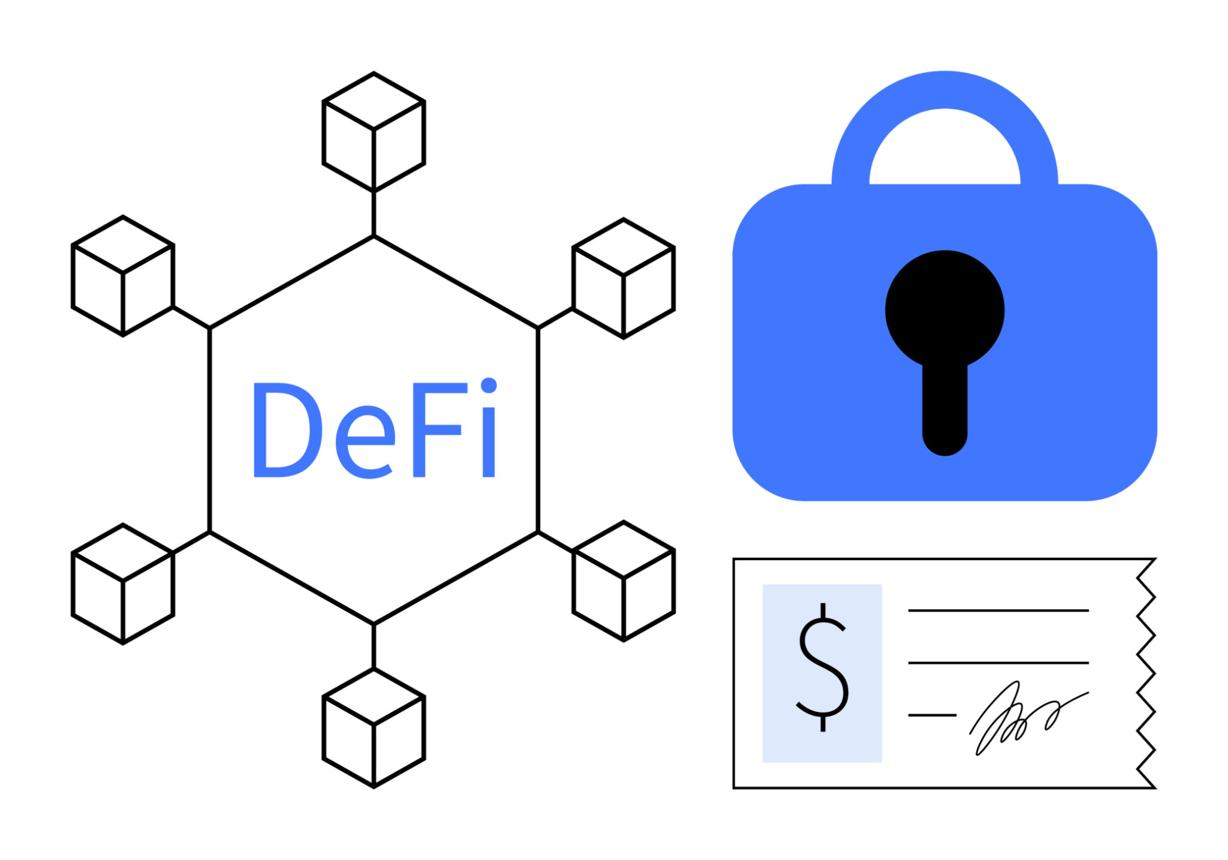
DeFi stands for Decentralized Finance.
It is a blockchain-based financial system that allows people to:
💸 Send money
💰 Borrow and lend
📈 Trade assets
🏦 Earn interest
…without using traditional banks.
👉 Simple meaning:
DeFi uses smart contracts and blockchain technology to provide financial services directly between users.
DeFi mainly runs on blockchains like:
Ethereum 🔷
Solana ⚡
Avalanche ❄️
It works using:
🔐 Smart contracts
🌐 Decentralized apps (dApps)
💻 Blockchain networks
Instead of banks approving transactions, code automatically handles the process.
Platforms where users trade crypto directly:
Uniswap
PancakeSwap
Users can lend crypto and earn interest.
Investors lock crypto to earn rewards.
Digital currencies linked to stable assets like USD.
DeFi is important because it:
🌐 Removes middlemen
💸 Gives global access to financial services
⚡ Enables fast transactions
🏦 Operates 24/7
🔓 Supports financial freedom and innovation
Many people see DeFi as part of the future of finance.
DeFi also has serious risks:
🔓 Smart contract hacks
📉 Crypto volatility
⚖️ Regulatory uncertainty
💸 Scams and rug pulls
🧪 Experimental technology
👉 High rewards often come with high risk.
Current DeFi developments include:
🤖 AI-powered blockchain apps
🌐 Growth of Web3 ecosystems
🏦 Tokenized real-world assets
⚡ Faster and cheaper Layer-2 solutions
💰 Increased institutional interest
DeFi continues expanding beyond simple crypto trading.
DeFi is:
💻 A blockchain-based financial system
🌍 A major part of Web3 innovation
🚀 One of crypto’s fastest-growing sectors
It aims to create a world where financial services are open, decentralized, and available to everyone.