Bitcoin: The Digital Gold of the Modern Economy
Apr 19, 2026
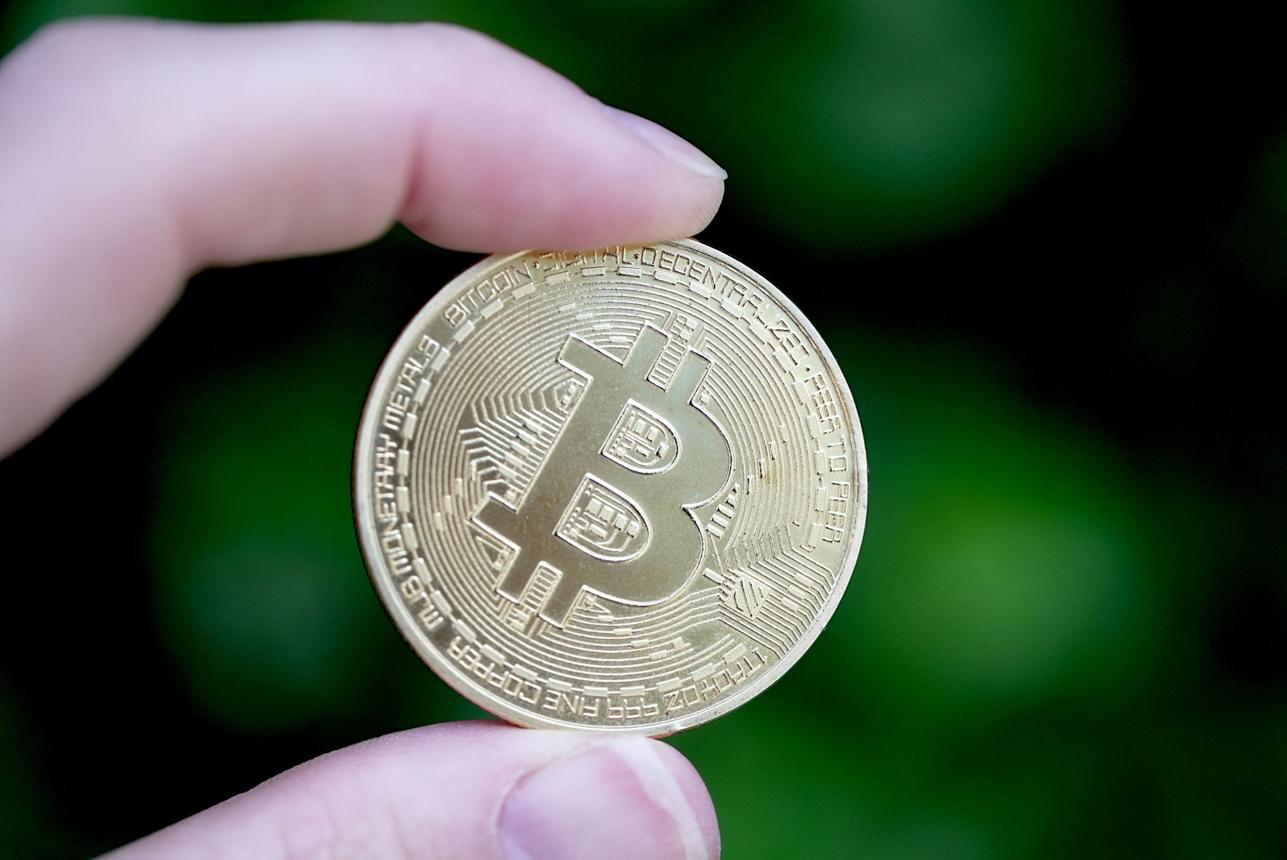
Bitcoin is the world’s first decentralized cryptocurrency, created to allow people to send and receive digital money without banks or governments controlling the system.
Bitcoin was introduced in 2009 by an anonymous creator known as Satoshi Nakamoto. It operates on a technology called blockchain, which records transactions across a distributed network of computers worldwide. (bitcoin.org)
Bitcoin runs on a decentralized blockchain network. Instead of relying on a central bank, thousands of computers called “nodes” verify and store transaction data.
| Feature | Description |
|---|---|
| Decentralized | No single authority controls it |
| Limited Supply | Maximum supply capped at 21 million coins |
| Digital Currency | Exists entirely online |
| Blockchain Technology | Transparent public ledger |
| Peer-to-Peer | Direct transfers between users |
These characteristics helped Bitcoin become the foundation of the cryptocurrency industry.
Blockchain is the technology powering Bitcoin.
A blockchain is a distributed digital ledger where transactions are grouped into “blocks” and linked together securely using cryptography.
Because the blockchain is decentralized, it is extremely difficult to alter transaction history.
Bitcoin mining is the process used to verify transactions and create new bitcoins.
Miners use powerful computers to solve complex mathematical problems. In return, they receive newly created bitcoins and transaction fees.
genui{"math_block_widget_always_prefetch_v2":{"content":"y=210000x"}}
Bitcoin’s supply issuance is reduced roughly every four years through an event called the “halving,” which decreases mining rewards over time.
Unlike traditional currencies that governments can print, Bitcoin has a fixed maximum supply of 21 million coins.
Many supporters view Bitcoin as an alternative financial system independent from banks and governments.
Bitcoin gained global attention because of its dramatic price growth over the years.
Anyone with internet access can use Bitcoin regardless of location or banking status.
Over time, Bitcoin moved from a niche internet project into mainstream finance.
Major companies and financial institutions now offer Bitcoin-related services, including:
Spot Bitcoin ETFs
Crypto exchanges
Institutional custody platforms
Corporate treasury holdings
Large asset managers and investment firms have increased exposure to Bitcoin in recent years. (reuters.com)
Spot Bitcoin ETFs continue attracting institutional and retail investment, increasing mainstream exposure to cryptocurrency markets. (bloomberg.com)
Some mining companies are expanding into AI-related data center infrastructure due to growing demand for computing power. (cnbc.com)
Countries continue developing cryptocurrency regulations covering taxation, anti-money laundering, and investor protection. (coindesk.com)
| Feature | Bitcoin | Traditional Currency |
|---|---|---|
| Controlled By | Decentralized network | Central banks |
| Supply Limit | 21 million | Unlimited possible issuance |
| Physical Form | Digital only | Physical + digital |
| Transaction Speed | Global digital transfers | Bank-dependent |
| Inflation Risk | Lower supply inflation | Can increase with money printing |
Bitcoin is highly volatile and carries several risks:
Large price swings
Regulatory uncertainty
Cybersecurity threats
Exchange failures
Energy consumption concerns
Because prices can move rapidly, investors often treat Bitcoin as a high-risk asset.
Supporters believe Bitcoin could continue evolving as:
Digital gold
A global store of value
An inflation hedge
A decentralized payment network
Critics argue that regulation, volatility, and competition from other technologies could limit adoption.
Regardless of opinions, Bitcoin has already transformed global discussions about money, finance, and digital ownership.
Bitcoin introduced a completely new form of decentralized digital money and sparked the creation of the modern cryptocurrency industry. From blockchain technology to institutional investment, its influence continues shaping global finance.
Whether viewed as a revolutionary innovation or a speculative asset, Bitcoin remains one of the most important financial inventions of the 21st century.
.png)