Bitcoin: The Digital Gold of the Modern Economy
Apr 19, 2026
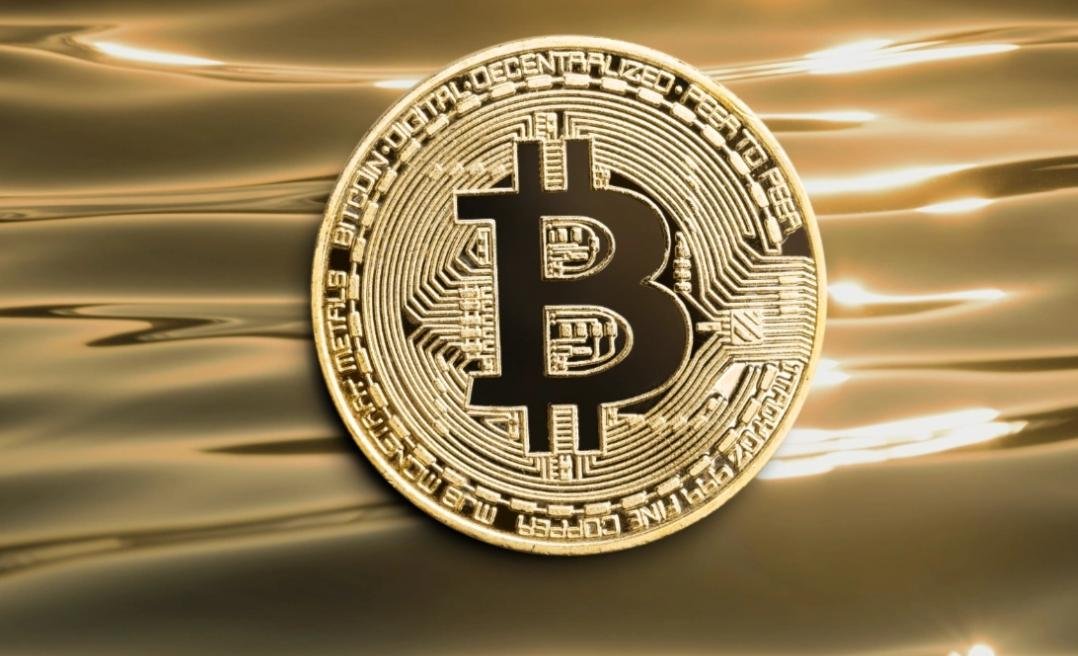
The Bitcoin is the world’s first and most popular digital currency. It was created in 2009 by an unknown person or group using the name Satoshi Nakamoto. Unlike traditional money, Bitcoin is not controlled by any government, bank, or central authority.
Bitcoin operates on a technology called blockchain, which is a secure digital ledger that records all transactions. This system makes Bitcoin transparent, decentralized, and difficult to manipulate. People can send and receive Bitcoin directly over the internet without needing a middleman like a bank.
Bitcoin is widely used for investment, online payments, and as a store of value. Because its supply is limited to 21 million coins, many investors consider it “digital gold.” However, its price is highly volatile, meaning it can rise or fall quickly.
Today, Bitcoin has become a major part of the global financial system and has inspired thousands of other cryptocurrencies.
| Feature | Details |
|---|---|
| Name | Bitcoin |
| Type | Cryptocurrency |
| Created | 2009 |
| Creator | Satoshi Nakamoto (unknown identity) |
| Technology | Blockchain |
| Control | Decentralized (no central authority) |
| Maximum Supply | 21 million coins |
| Main Uses | Investment, payments, store of value |
| Risk Level | High volatility |
| Importance | First and most valuable cryptocurrency |
.png)