Bitcoin: The Digital Gold of the Modern Economy
Apr 19, 2026
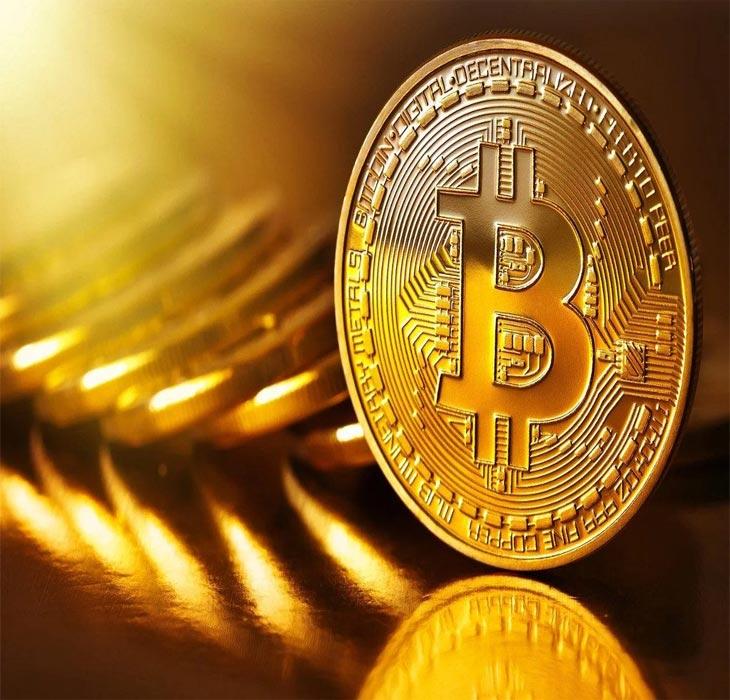
Bitcoin is the world’s first and most famous cryptocurrency. Created in 2009, Bitcoin introduced a revolutionary idea: a decentralized digital currency that operates without banks or governments controlling it.
Using blockchain technology, Bitcoin allows people to send and receive money directly across the internet. Over time, it evolved from an experimental digital project into one of the most influential financial assets in the world.
Today, Bitcoin impacts investing, banking, technology, global markets, and discussions about the future of money.
Bitcoin is a digital currency that exists entirely online.
Unlike traditional money:
It is not controlled by a central bank
It operates on decentralized computer networks
Transactions are verified through blockchain technology
People can:
Buy Bitcoin
Sell Bitcoin
Store Bitcoin in digital wallets
Use it for payments or investing
Bitcoin’s symbol is BTC.
Bitcoin was created by an anonymous person or group using the name Satoshi Nakamoto.
The identity behind Satoshi Nakamoto remains one of the biggest mysteries in technology and finance.
The Bitcoin whitepaper introduced:
Blockchain systems
Decentralized transactions
Peer-to-peer digital money
This became the foundation for the entire cryptocurrency industry.
Bitcoin operates through blockchain technology.
A blockchain is a public digital ledger that records every Bitcoin transaction.
Transactions are verified by network computers (“miners”)
Data is extremely difficult to alter
No central authority controls the system
Supply is limited to 21 million bitcoins
This limited supply is one reason Bitcoin is often compared to gold.
Bitcoin gained popularity for several reasons:
No government or bank fully controls it.
Only 21 million bitcoins can ever exist.
Anyone with internet access can use Bitcoin.
Bitcoin experienced massive price growth over the years.
Some investors view Bitcoin as “digital gold.”
Bitcoin transactions are secured through mining.
Mining involves powerful computers solving complex mathematical problems.
Miners:
Validate transactions
Secure the blockchain
Receive newly created Bitcoin as rewards
Mining requires significant electricity and computing power.
Bitcoin is known for extreme price volatility.
Prices can rise or fall sharply due to:
Investor sentiment
Government regulation
Economic uncertainty
Institutional adoption
Global market trends
This volatility makes Bitcoin both attractive and risky.
| Bitcoin | Traditional Currency |
|---|---|
| Digital & decentralized | Controlled by central banks |
| Limited supply | Unlimited printing possible |
| Operates globally | Country-specific systems |
| Blockchain transactions | Bank-based systems |
| Highly volatile | More stable |
Bitcoin introduced a completely new financial model compared to traditional banking systems.
Over time, major companies and financial institutions began adopting Bitcoin.
Some institutions now:
Hold Bitcoin as an asset
Offer Bitcoin investment products
Support crypto trading services
This increased Bitcoin’s legitimacy in mainstream finance.
Governments worldwide continue developing cryptocurrency regulations.
Major concerns include:
Consumer protection
Taxation
Financial crime prevention
Market stability
Some countries support crypto innovation, while others apply strict restrictions.
Bitcoin mining consumes large amounts of energy.
Critics argue:
Mining increases electricity demand
Environmental impact can be significant
Supporters argue:
Renewable energy use is increasing
Bitcoin encourages energy innovation
The environmental debate remains important within the crypto industry.
Many experts believe Bitcoin could continue influencing:
Digital finance
Global payments
Investment markets
Decentralized technologies
Future possibilities include:
Wider institutional adoption
Government regulation growth
Integration into financial systems
Increased use as digital store of value
Bitcoin changed the world’s understanding of money, ownership, and digital finance.
From a small experimental project to a globally recognized financial asset, Bitcoin sparked the creation of the entire cryptocurrency industry and introduced blockchain technology to mainstream markets.
While volatility and regulation remain major challenges, Bitcoin continues to shape discussions about the future of finance and the digital economy.
.png)