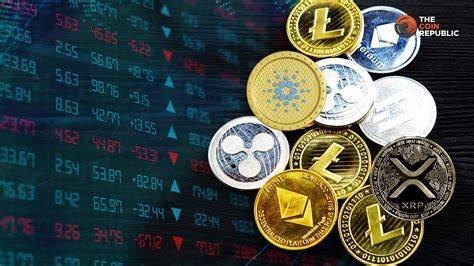
Altcoins – Exploring the World of Cryptocurrencies Beyond Bitcoin and Their Role in the Future of Digital Finance
Apr 20, 2026
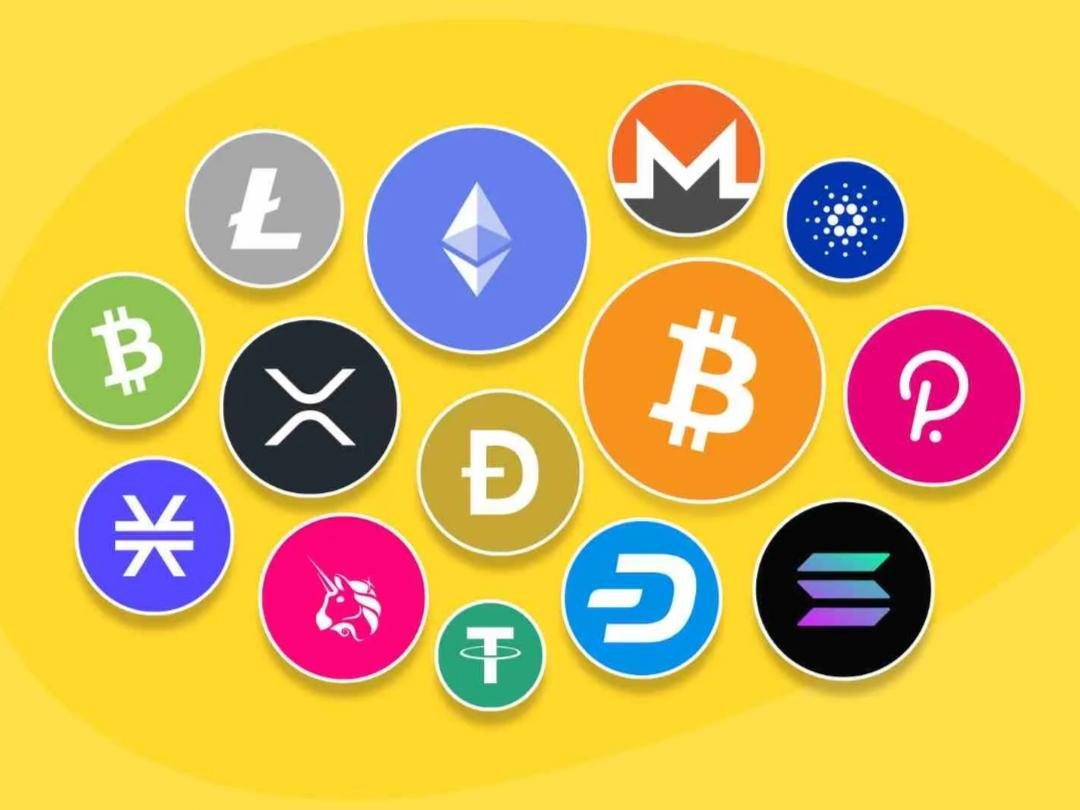
The term altcoin refers to all cryptocurrencies other than the Bitcoin. The word comes from “alternative coins,” meaning they were created as alternatives or improvements to Bitcoin.
Altcoins were developed to solve different limitations of Bitcoin, such as slow transaction speed, high fees, and limited functionality. Many altcoins also introduce new features like smart contracts, privacy tools, and decentralized applications.
Some popular altcoins include Ethereum, Ripple (XRP), Litecoin, and Solana. Each altcoin operates on its own rules and technology, and many use their own blockchain systems. Their value depends on demand, usefulness, and investor interest, making them highly volatile.
Altcoins have played a major role in growing the cryptocurrency industry by encouraging innovation and offering more options beyond Bitcoin.
| Feature | Details |
|---|---|
| Name | Altcoins |
| Meaning | Alternative cryptocurrencies to Bitcoin |
| First Reference | Bitcoin |
| Type | Digital currencies |
| Examples | Ethereum, XRP, Litecoin, Solana |
| Purpose | Improve or expand crypto features |
| Technology | Blockchain (varies by coin) |
| System Type | Mostly decentralized |
| Risk Level | High volatility |
| Importance | Drives innovation in crypto market |