Altcoins – Exploring the World of Cryptocurrencies Beyond Bitcoin and Their Role in the Future of Digital Finance
Apr 20, 2026
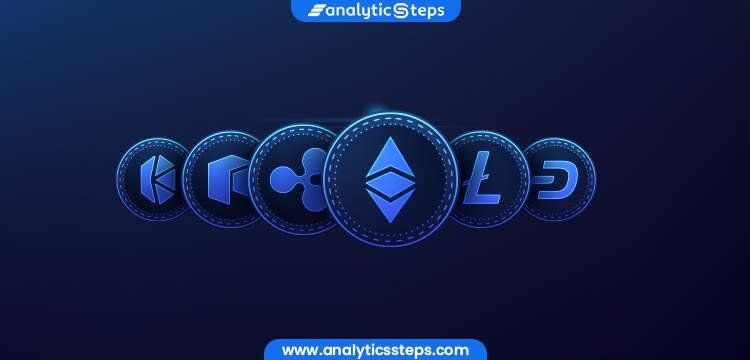
Altcoin refers to all cryptocurrencies other than Bitcoin. With thousands of altcoins in the market, they offer diverse features, use cases, and investment opportunities beyond Bitcoin.
Altcoins (short for “alternative coins”) are digital currencies created after Bitcoin. Many aim to improve Bitcoin’s limitations or serve different purposes.
They can include:
Payment coins
Utility tokens
Stablecoins
Governance tokens
Most altcoins operate on Blockchain technology.
Some are independent blockchains, while others are built on platforms like Ethereum.
Used for transactions like money
👉 Example: Litecoin
Value tied to stable assets (like USD)
👉 Example: Tether
Used within specific platforms
👉 Example: Binance Coin
Community-driven coins
👉 Example: Dogecoin
Power decentralized finance systems
👉 Example: Uniswap
Altcoins attract investors for several reasons:
High growth potential
Innovative technologies
Lower entry price compared to Bitcoin
Diversification of crypto portfolio
Wide variety of options
New and advanced features
Strong community support
Opportunities for early investment
High volatility
Many projects fail
Scams and low-quality coins
Less regulation
You can invest through crypto exchanges like:
Binance
Coinbase
Create an account
Deposit funds
Research projects
Buy and monitor investments
Altcoins are driving innovation in areas like:
Decentralized Finance (DeFi)
NFTs
Web3
Gaming and metaverse
While many will disappear, some may become the next big players in the crypto world.
Altcoins offer exciting opportunities but come with significant risks. Smart investors focus on research, diversification, and long-term strategies when entering the altcoin market.