Altcoins – Exploring the World of Cryptocurrencies Beyond Bitcoin and Their Role in the Future of Digital Finance
Apr 20, 2026
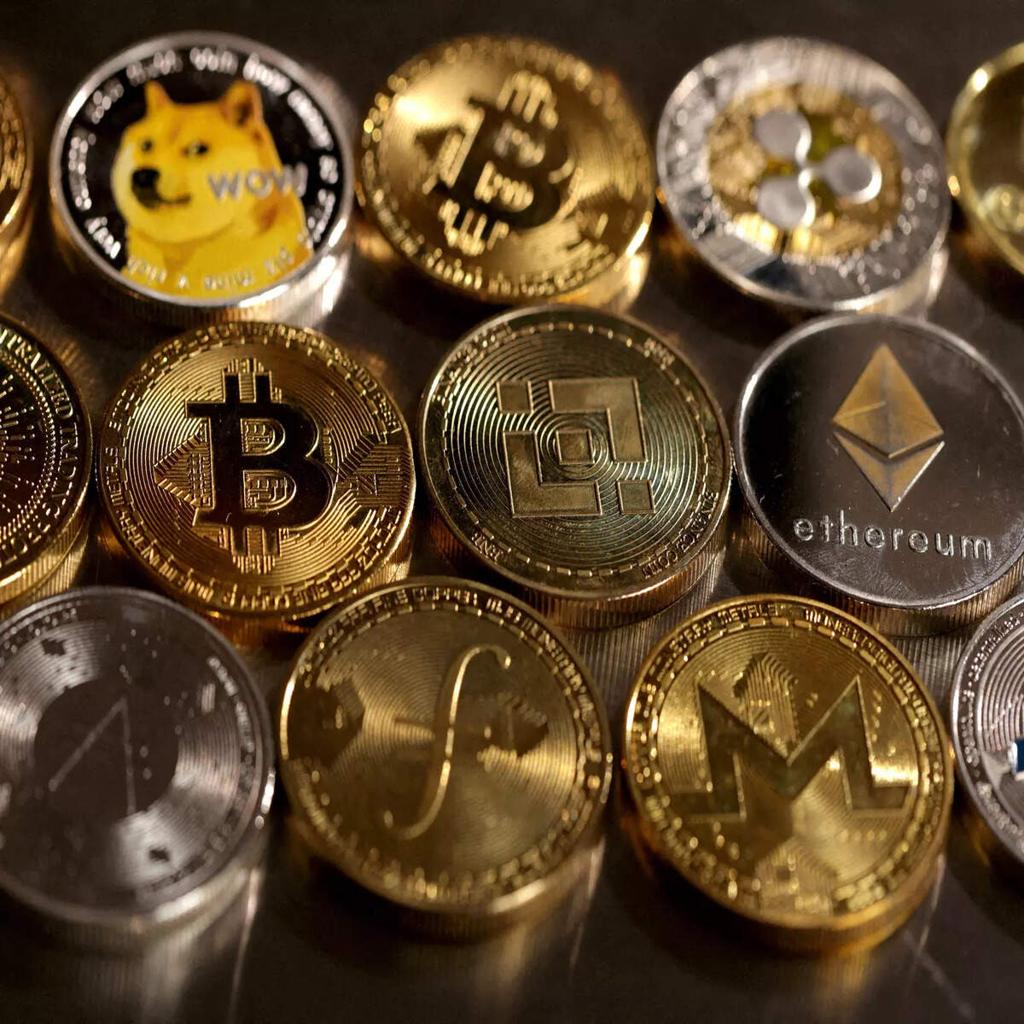
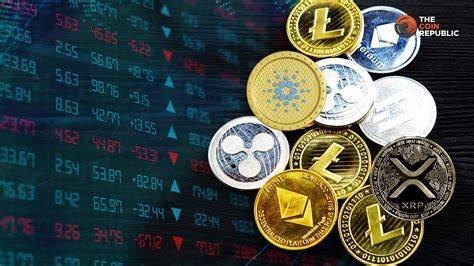
An Altcoin refers to any cryptocurrency other than Bitcoin. The word “altcoin” combines “alternative” and “coin,” representing digital currencies created after Bitcoin’s success.
Thousands of altcoins now exist, each designed with unique features, technologies, and purposes. Some focus on faster payments, while others power decentralized applications, gaming platforms, finance systems, or privacy tools.
After Bitcoin became popular, developers began creating alternative cryptocurrencies to improve certain limitations or introduce new features.
Some of the earliest altcoins included:
Litecoin
Namecoin
Ripple
Over time, the altcoin market expanded rapidly with the rise of blockchain technology, decentralized finance, and NFTs.
Altcoins come in many categories, including:
Used to access services or applications on blockchain platforms.
Examples:
Ethereum
Solana
Designed to maintain stable value by linking to assets like the U.S. dollar.
Examples:
Tether
USD Coin
Cryptocurrencies inspired by internet culture and online communities.
Examples:
Dogecoin
Shiba Inu
Focused on anonymous and secure transactions.
Examples:
Monero
Zcash
Altcoins are important because they expand the possibilities of blockchain technology.
Their contributions include:
Supporting decentralized finance (DeFi)
Enabling NFTs and gaming ecosystems
Improving transaction speed
Reducing transaction costs
Encouraging blockchain innovation
Many altcoins aim to solve real-world problems and create new digital economies.
Some of the most popular altcoins include:
Ethereum
Solana
Cardano
Dogecoin
Avalanche
Each project has different goals, technologies, and communities.
Many altcoins are connected to decentralized finance (DeFi), which allows financial services without traditional banks.
DeFi services include:
Crypto lending
Decentralized exchanges
Yield farming
Staking
Digital asset trading
This sector became one of the fastest-growing areas of the cryptocurrency industry.
Altcoins can offer high growth potential, but they also involve major risks such as:
Extreme price volatility
Scam projects and fraud
Regulatory uncertainty
Cybersecurity threats
Low liquidity for smaller coins
Some altcoins fail completely, making research and risk management very important.
The future of altcoins is closely connected to blockchain innovation, Web3 development, and decentralized applications.
Emerging trends include:
Artificial intelligence integration
Faster blockchain networks
Cross-chain technology
Tokenized real-world assets
Expanded digital ownership systems
While many projects may disappear over time, strong blockchain ecosystems are likely to continue growing.
Altcoin represents the diverse and rapidly evolving world of cryptocurrencies beyond Bitcoin. From smart contract platforms to meme coins and DeFi systems, altcoins continue driving innovation across digital finance and blockchain technology.
Understanding altcoins helps investors and technology enthusiasts explore the broader cryptocurrency ecosystem and the future of decentralized digital economies.