Altcoins – Exploring the World of Cryptocurrencies Beyond Bitcoin and Their Role in the Future of Digital Finance
Apr 20, 2026
.jpg)
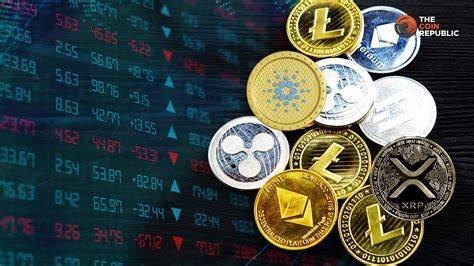
The term Altcoin stands for “alternative coin”—basically, every cryptocurrency other than Bitcoin. Since Bitcoin’s launch, thousands of altcoins have been created, each offering different features and use cases.
Altcoins are digital currencies built on blockchain technology, often designed to improve or offer something different from Bitcoin.
Some focus on speed 🚀
Others on privacy 🔐
Others power entire ecosystems 🌐
Here are some well-known altcoins:
Ethereum – powers apps and smart contracts
Ripple – fast cross-border payments
Litecoin – faster transactions than Bitcoin
Cardano – research-driven blockchain
Solana – very fast and low fees
Utility Tokens
Used within platforms (e.g., Ethereum for gas fees)
Stablecoins
Pegged to real assets (like USD)
Example: Tether
Meme Coins
Community-driven and often viral
Example: Dogecoin
Governance Tokens
Give voting power in projects
🌐 Expand blockchain use cases
💡 Bring innovation (DeFi, NFTs, gaming)
🚀 Offer high growth potential
🧩 Compete with and improve Bitcoin
Higher potential returns than Bitcoin
Diverse investment options
New technologies and features
Very high volatility 📉
Many projects fail ❌
Scams and low-quality coins ⚠️
Research each project carefully
Use trusted exchanges like Binance or Coinbase
Diversify your investments
Avoid hype-based decisions
Altcoins are driving innovation in areas like DeFi, NFTs, and Web3. While many will disappear, a few may become the next big leaders in crypto.
Altcoins offer exciting opportunities—but they come with serious risks. Smart research and careful investing are key to success in this fast-moving market.